
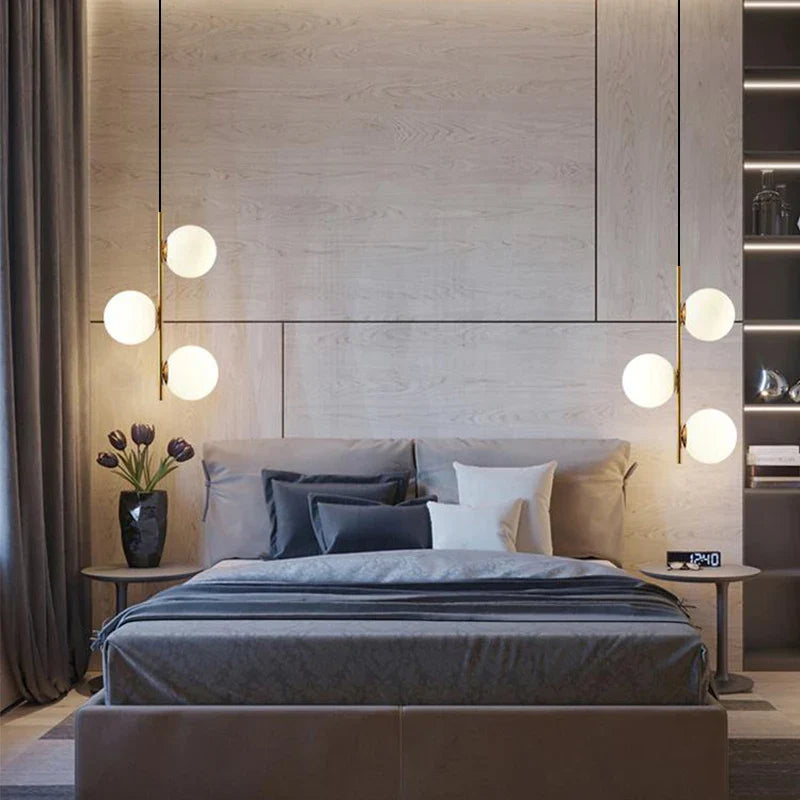
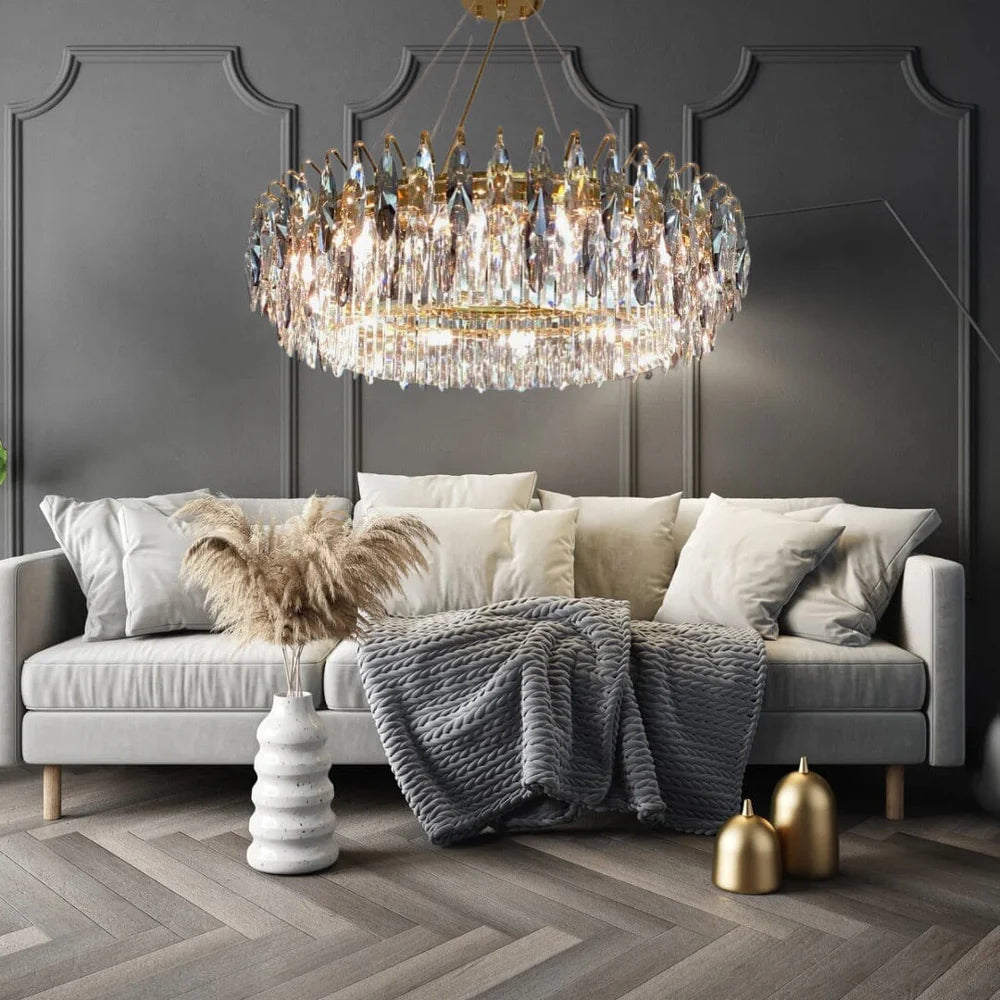
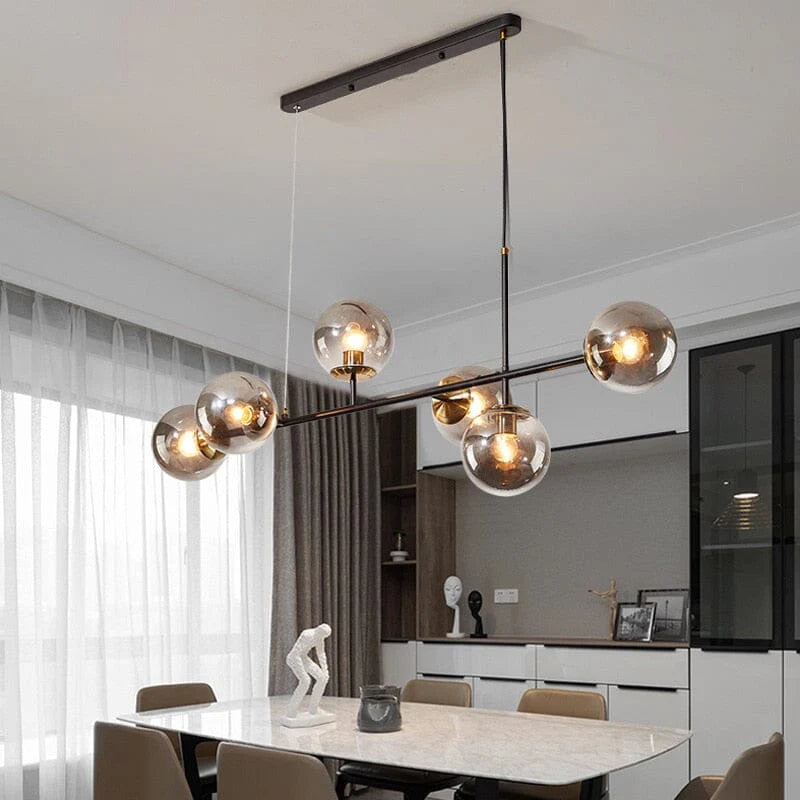
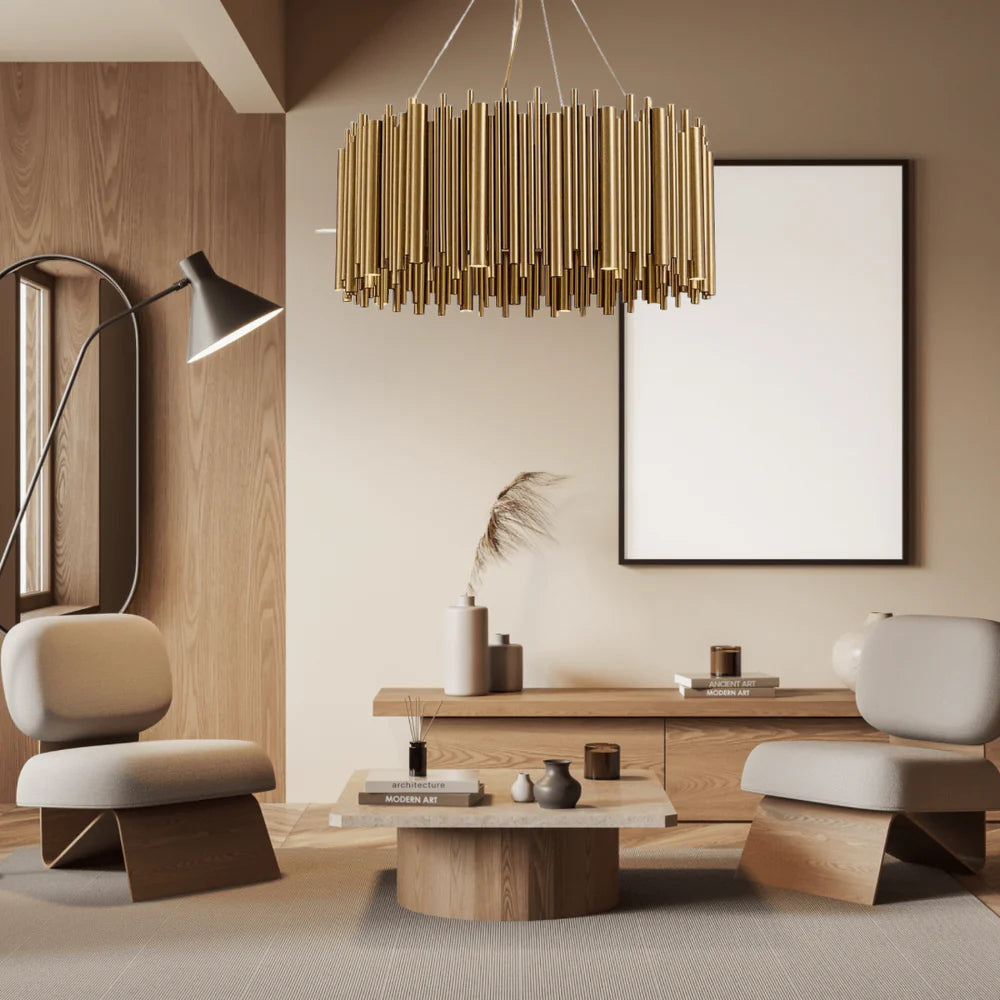
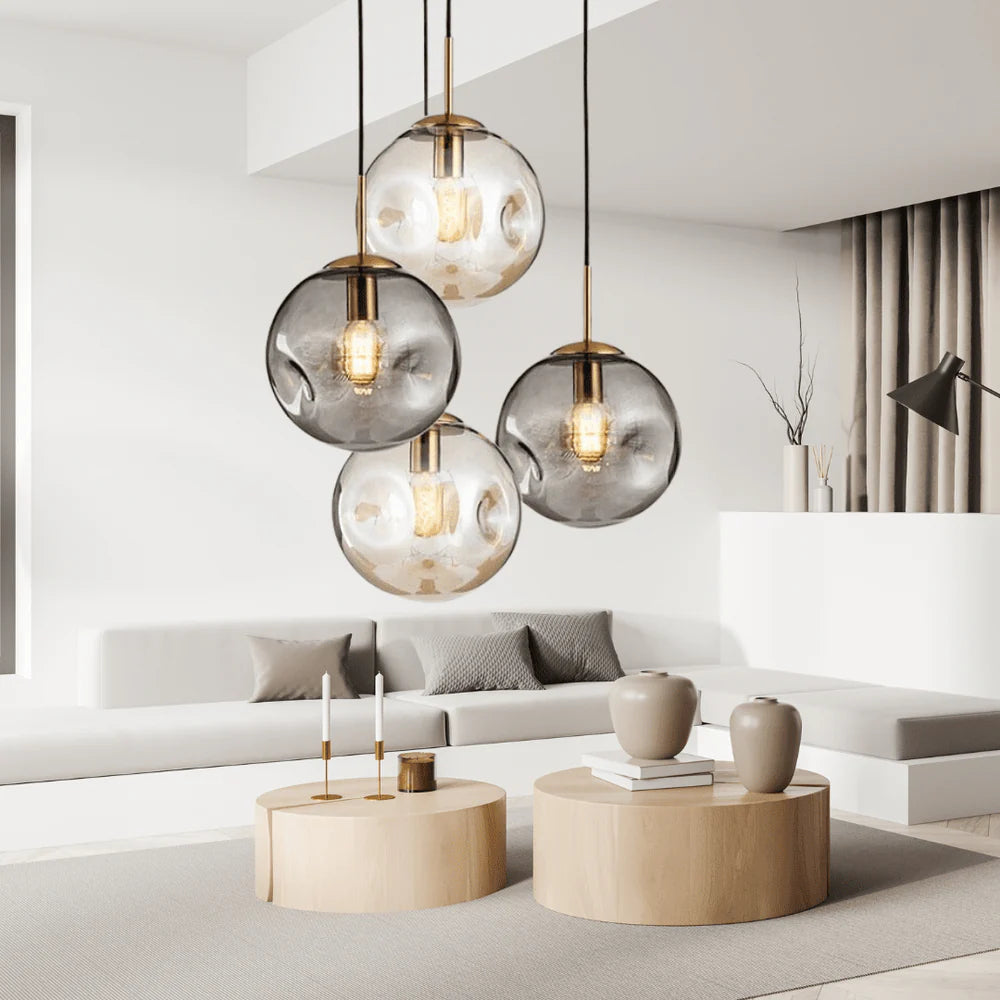
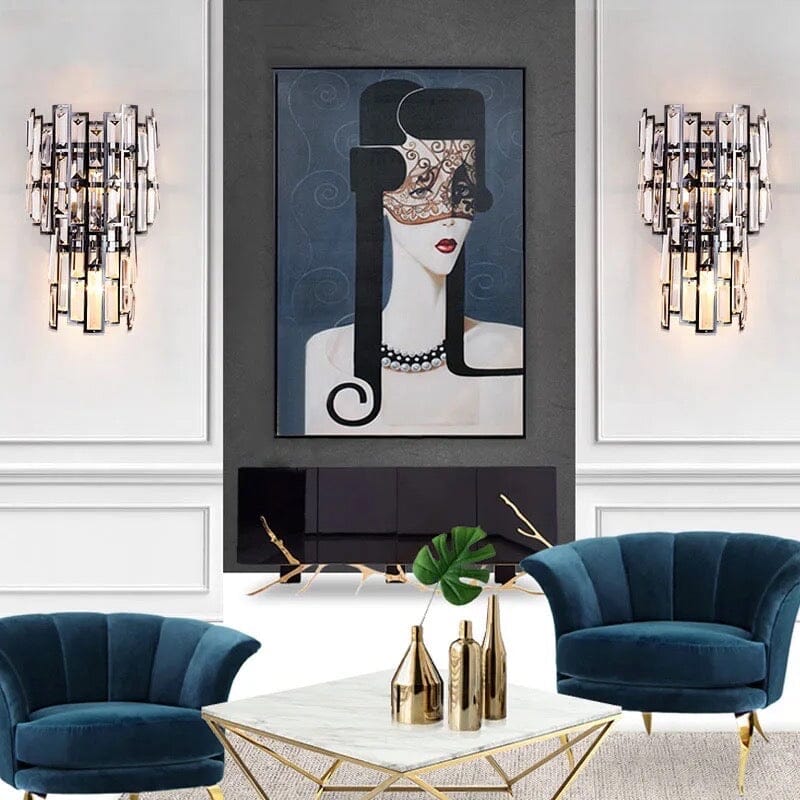
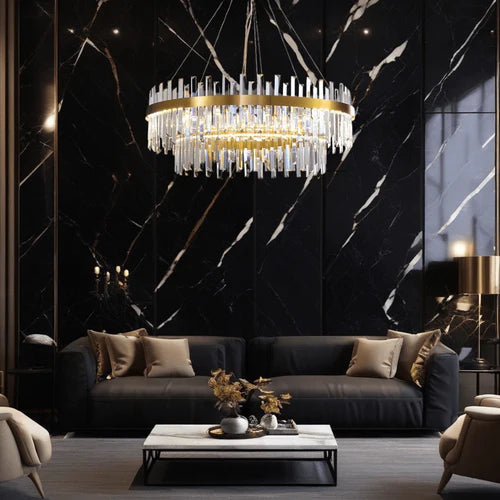
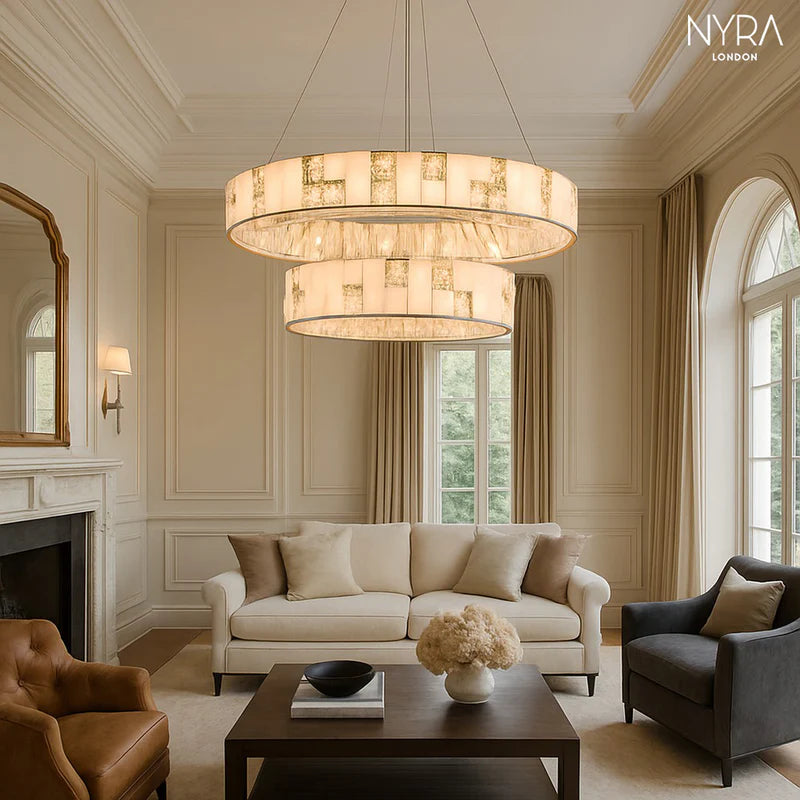
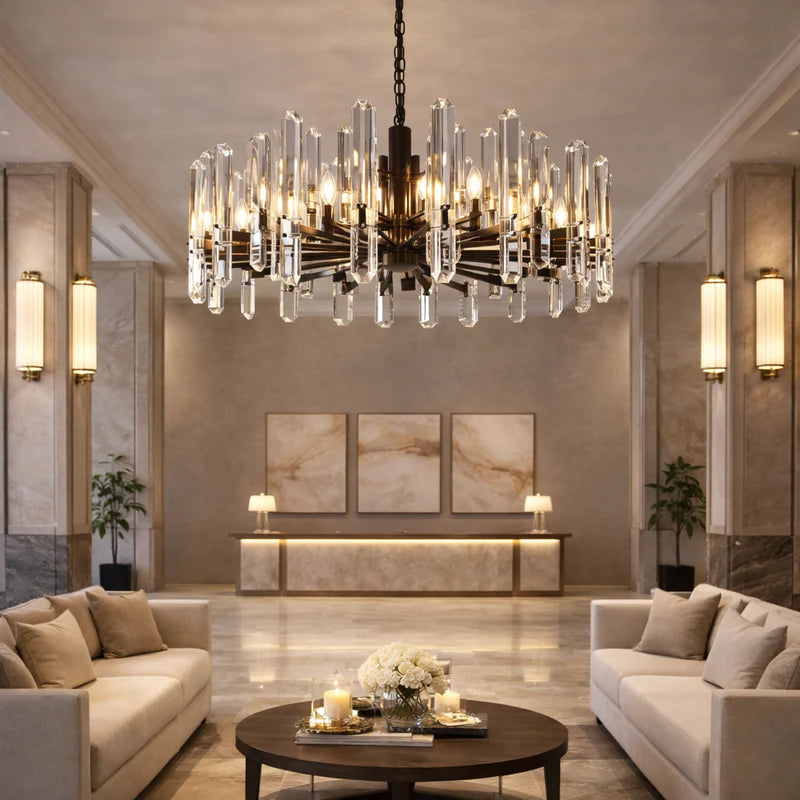
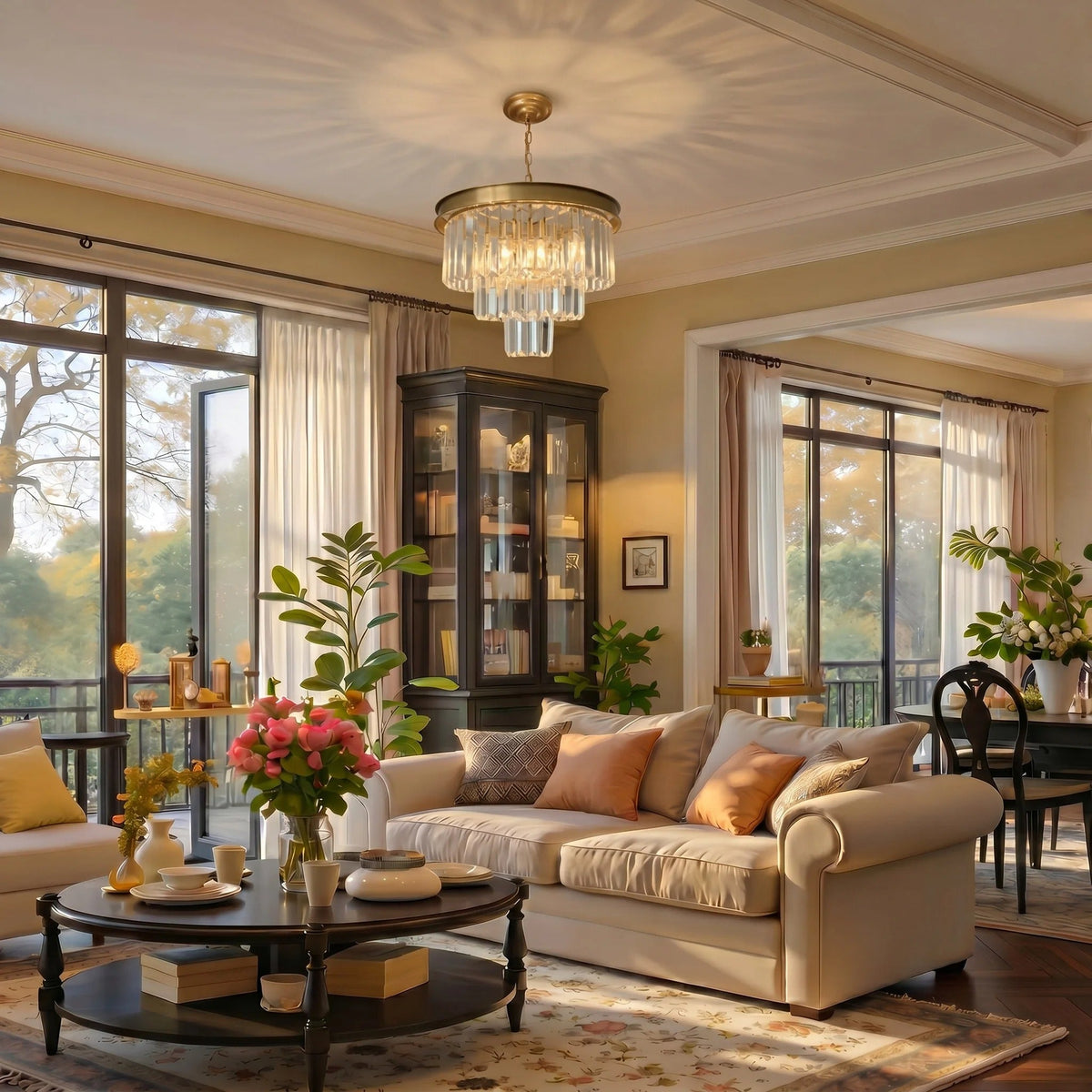
Alabaster and marble lighting bring something glass cannot fully replicate: natural variation. Veining, translucency and mineral texture make each stone surface feel architectural even before the light is switched on. Alabaster is especially valued for its soft diffusion, while marble offers stronger pattern and visual weight.
Stone lighting is not replacing glass everywhere, but it has become a compelling alternative in interiors that favour natural materials, warm minimalism and quieter forms of luxury.
Why Alabaster Works So Well With Light
Alabaster has a naturally translucent quality. When illuminated from behind, the material can produce a soft glow that reveals subtle veining and tonal variation.
That makes it well suited to spaces where atmosphere matters: dining rooms, bedrooms, entryways and living areas. Instead of exposing the light source, the stone becomes part of the illumination.
The effect is different from clear crystal or transparent glass. It is calmer, more diffuse and often more architectural.
Marble Creates a Stronger Material Statement
Marble is generally more opaque and visually pronounced. Its appeal comes from colour, veining and the sense of permanence associated with natural stone.
In lighting, marble can appear as shades, discs, spheres, bars or structural details. Even when the material is used selectively, it can give a fixture a substantial, high-end presence.
NYRA's Marble & Alabaster Lights Collection brings together chandeliers and lamps that use stone as a central design element.
Stone Fits the Shift Toward Natural Interiors
Contemporary interiors increasingly combine refined architecture with tactile materials: timber, plaster, linen, travertine, marble and other stone surfaces.
Lighting is following the same direction. Instead of a highly polished fixture acting as a separate decorative object, a stone light can feel integrated with the material palette of the room.
This is particularly effective in warm-minimal, modern, Japandi and transitional interiors where texture is more important than ornament.
Alabaster vs Marble: Which Should You Choose?
Choose alabaster when you want the light itself to feel soft and luminous. Its translucency can make the shade appear to glow.
Choose marble when you want stronger veining, contrast and visual weight. Marble can feel more graphic and architectural.
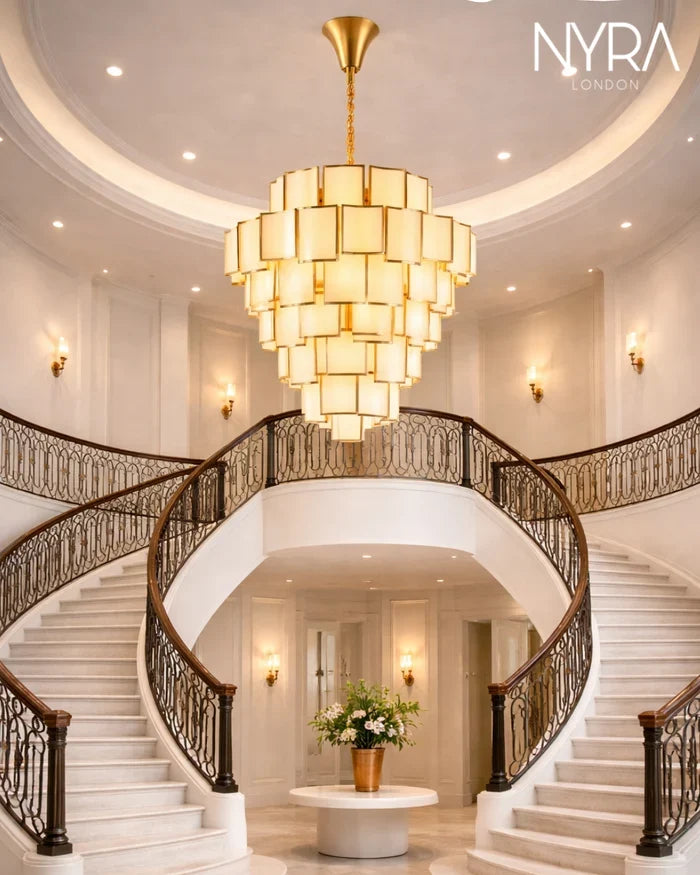
The final choice also depends on the fixture design. A contemporary stone chandelier such as the NYRA Modern Stone Chandelier uses a dramatic stone-inspired composition suited to statement spaces.
Where Stone Chandeliers Work Best
Over a dining table, stone lighting can create a focal point without the sparkle associated with crystal. It pairs naturally with timber tables, upholstered dining chairs and neutral walls.
In an entryway, stone adds material presence and can connect the lighting to stone floors, consoles or architectural finishes.
In living rooms, use stone lighting where it can be seen as an object as well as a light source. For smaller-scale applications, marble table lamps can introduce the same material language without committing to a large ceiling fixture. Explore NYRA's Table & Floor Lamps Collection for examples of marble-based lamps.
Pay Attention to Weight and Support
Stone is visually and physically substantial. Before purchasing a large stone or stone-detailed chandelier, check the listed fixture weight and installation requirements.
Ceiling structure matters, particularly for heavy chandeliers. Professional installation is recommended for large fixtures and whenever reinforced ceiling support may be required.
Also consider access. A statement chandelier installed in a high foyer should be planned for future cleaning and maintenance.
Pair Stone With the Right Light Temperature
Warm light tends to emphasise cream, beige, amber and warm veining. Cooler light can make pale stone appear cleaner and more graphic.
For most residential settings, a warm or neutral colour temperature creates a comfortable result. Dimming adds flexibility and helps the stone shift from a practical source during the day to a softer feature at night.
Do Not Over-Match the Room
A marble chandelier does not require a marble table, marble floor and marble accessories. In fact, repeating the same material everywhere can reduce its impact.
Let stone lighting be one of a small number of strong material moments. Pair it with timber, metal, plaster or fabric to create contrast.
If the fixture is intended for a dining space, compare it with the broader Dining Room Lighting Collection to decide whether stone, glass or crystal best suits the room.
Natural Variation Is Part of the Appeal
Stone-inspired and natural-stone surfaces can vary in pattern and tone. That variation is part of what makes the material attractive, but buyers should still review the exact product specifications and available imagery before ordering.
The strongest stone lighting feels less like an accessory and more like part of the architecture. It provides illumination, but it also contributes texture, weight and permanence to the room.
FAQs
Is alabaster good for lighting?
Yes. Its translucent appearance makes it especially effective for soft, diffused illumination.
What is the difference between marble and alabaster lighting?
Alabaster is generally chosen for a luminous, diffused effect, while marble is valued for stronger veining, pattern and visual weight.
Where should I use a marble chandelier?
Dining rooms, living spaces and entryways can all suit marble lighting when the scale and ceiling support are appropriate.
Does stone lighting need professional installation?
Large or heavy fixtures should be professionally installed, particularly where reinforced ceiling support may be necessary.


Leave a comment
All comments are moderated before being published.
This site is protected by hCaptcha and the hCaptcha Privacy Policy and Terms of Service apply.