Types of Outdoor Lighting
Not every outdoor fixture belongs in every outdoor location. Choosing the wrong rating for a fixture is the fastest way to a failed install and a warranty claim.
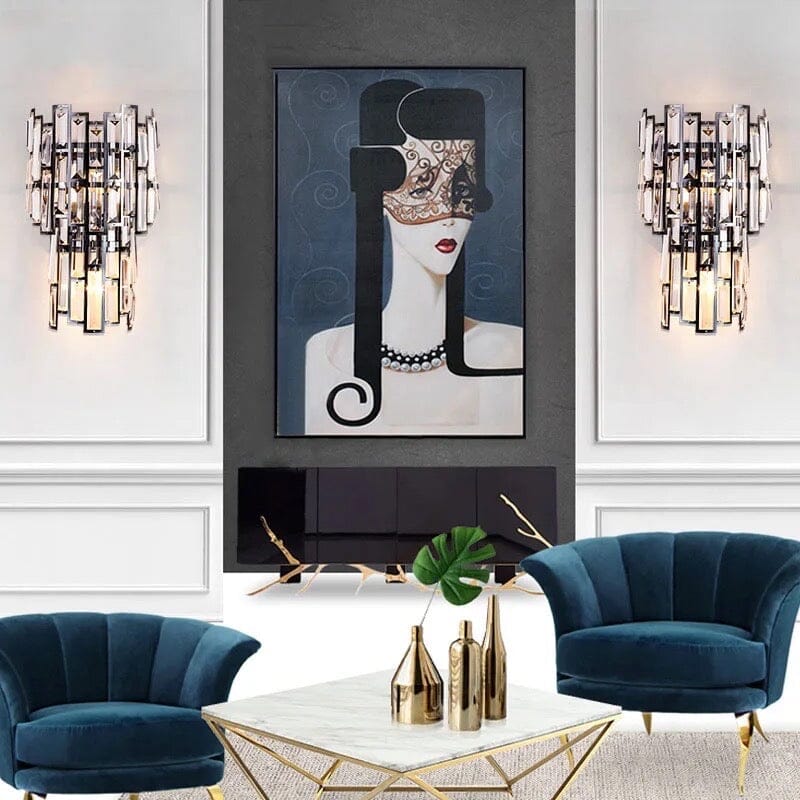
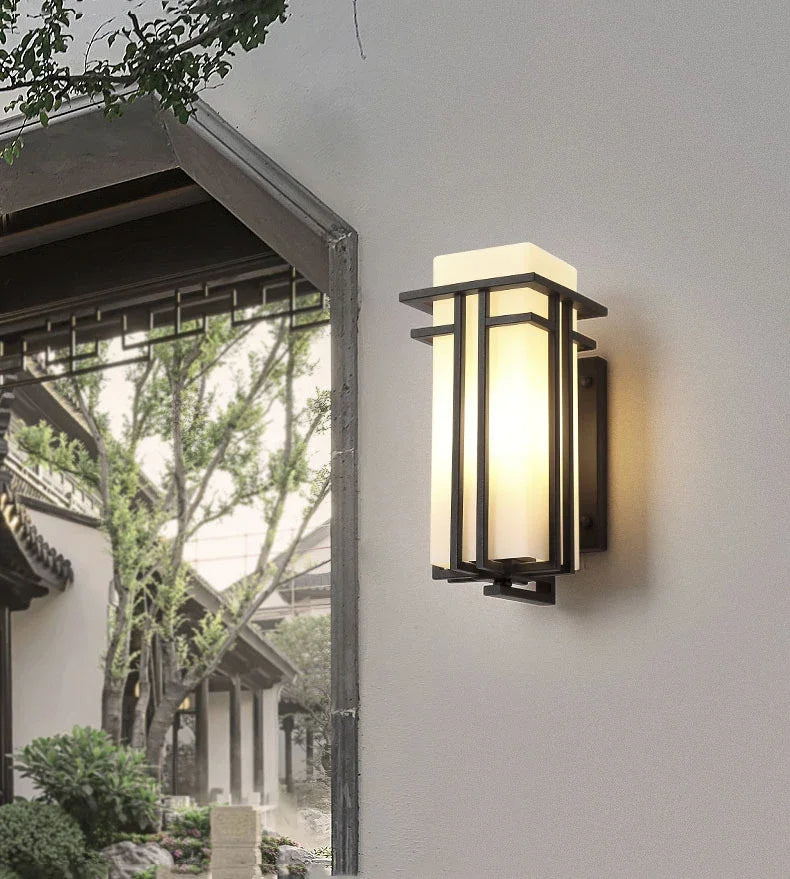
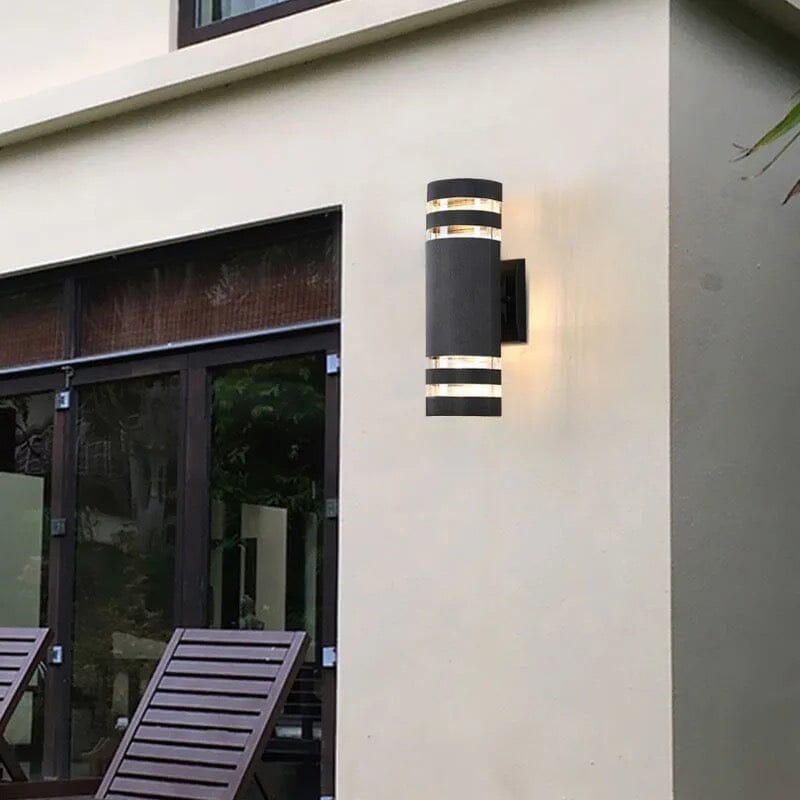
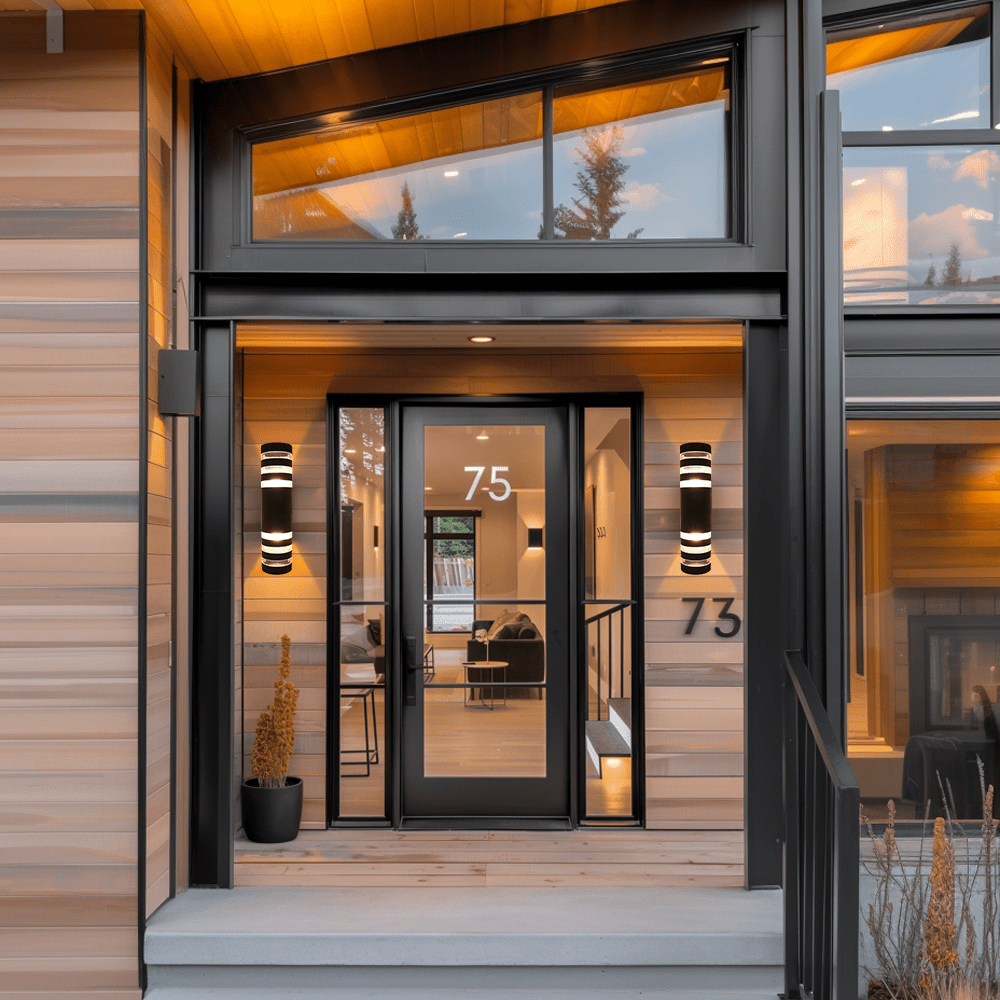
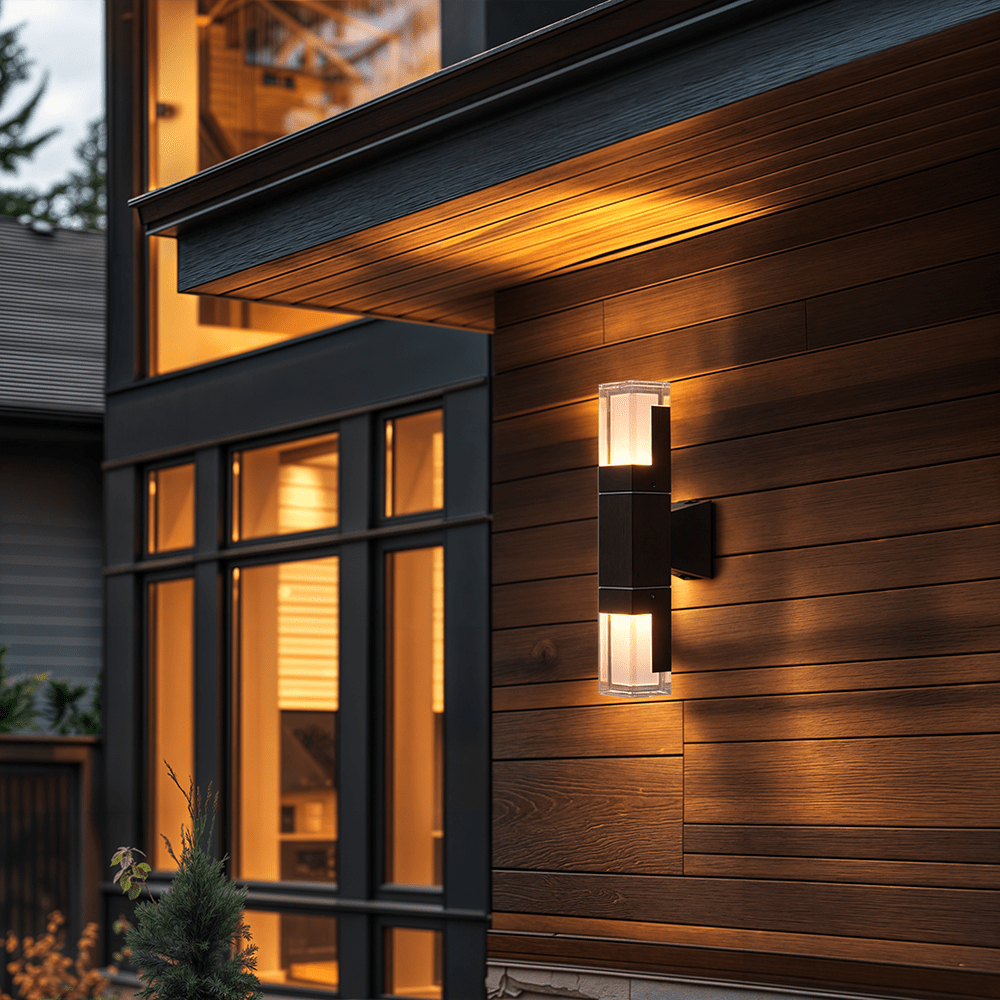
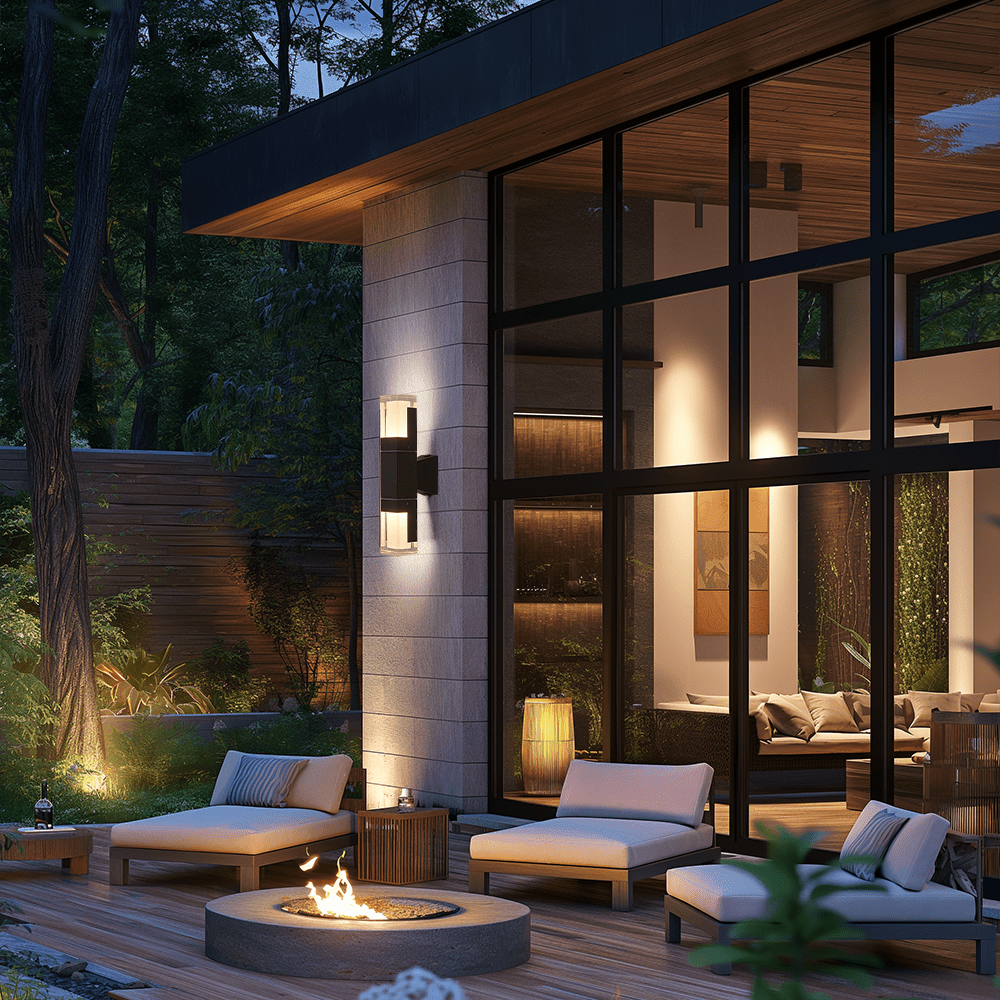
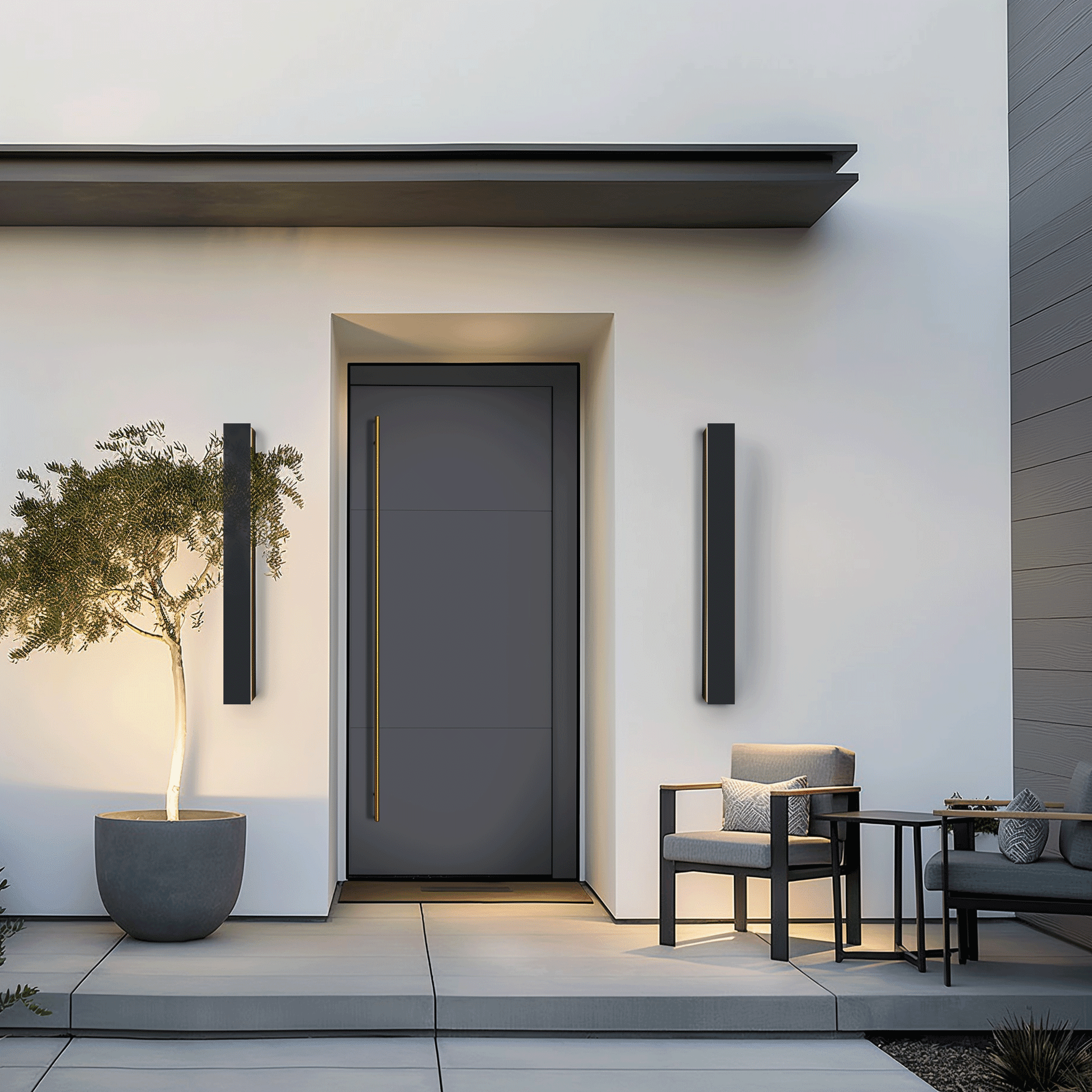
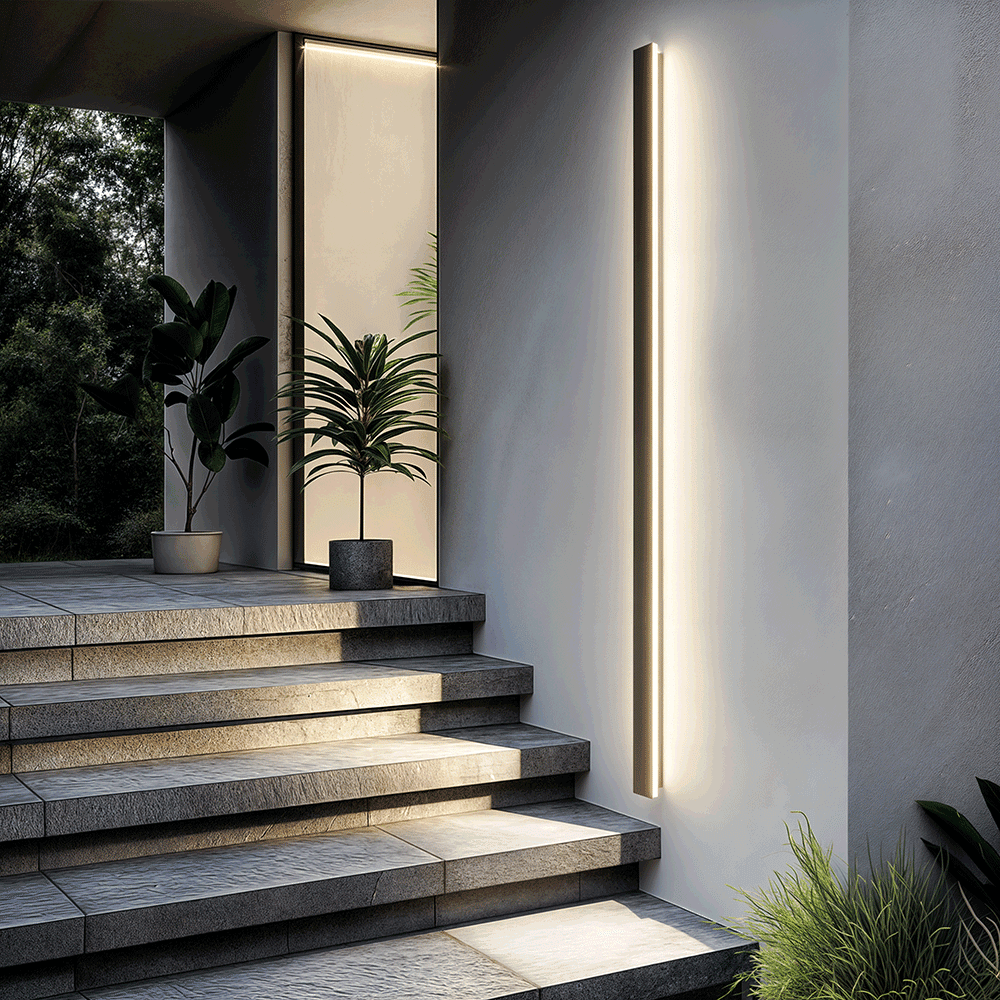
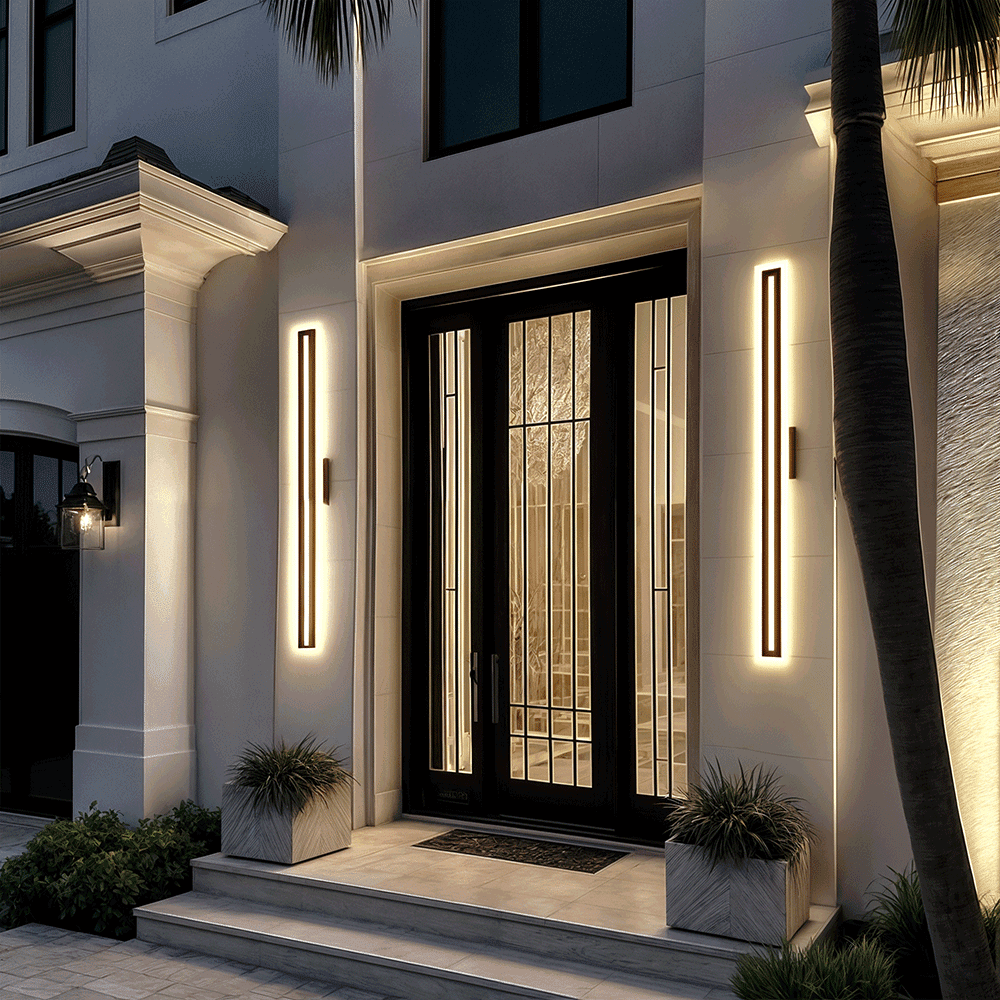
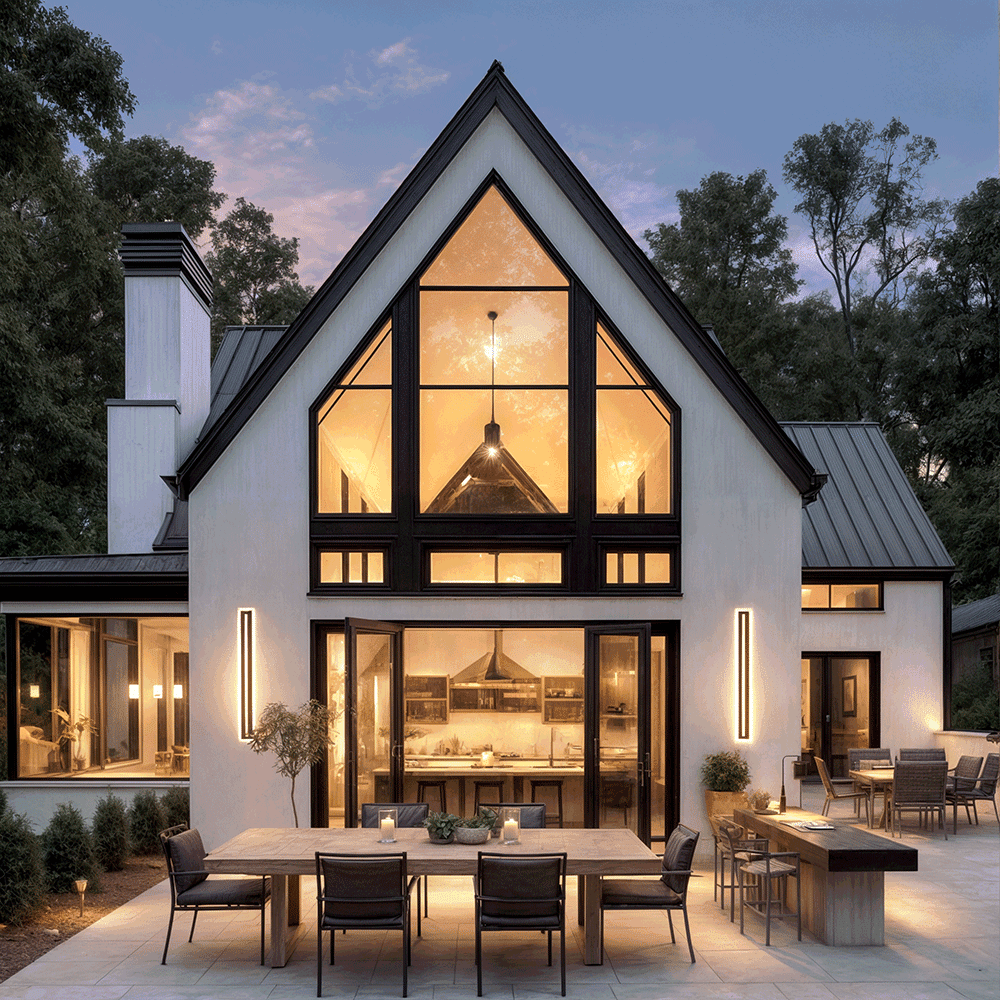
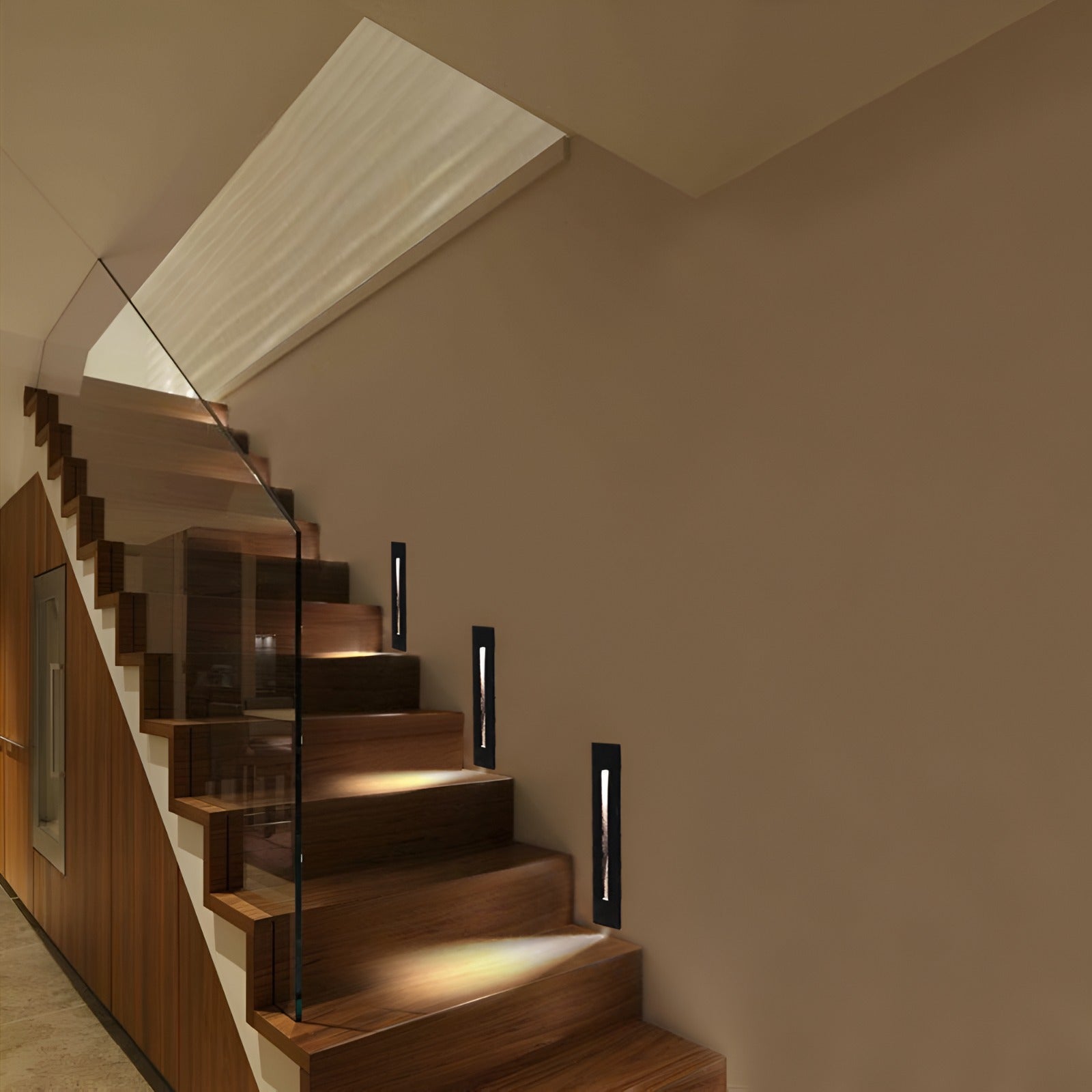
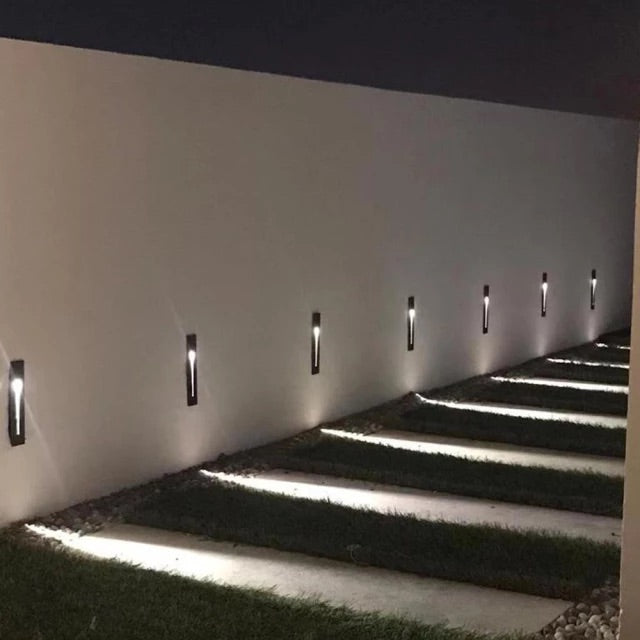
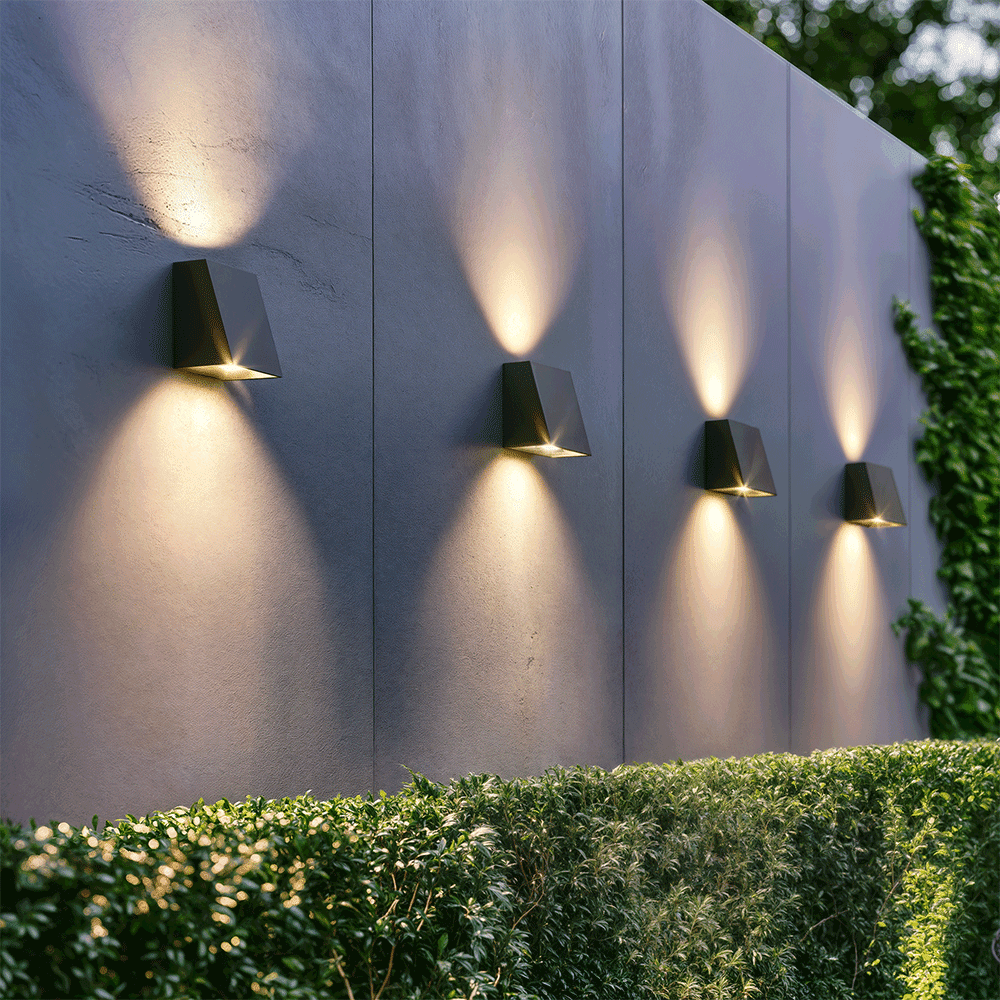
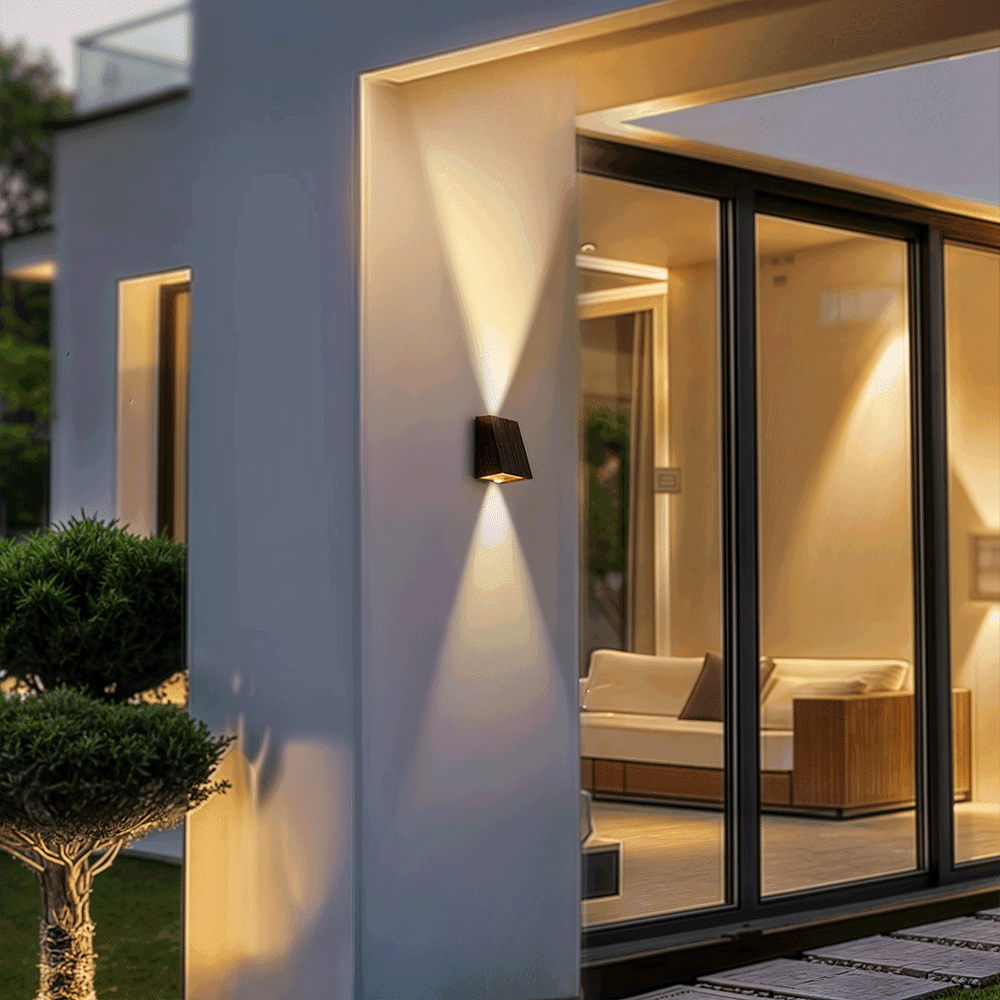
Outdoor Wall Sconces (Exterior Wall Lights)
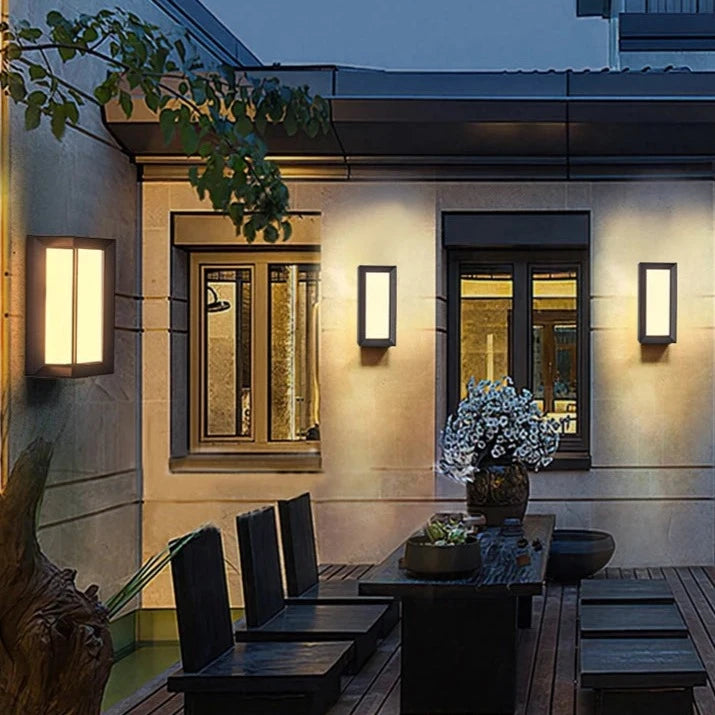
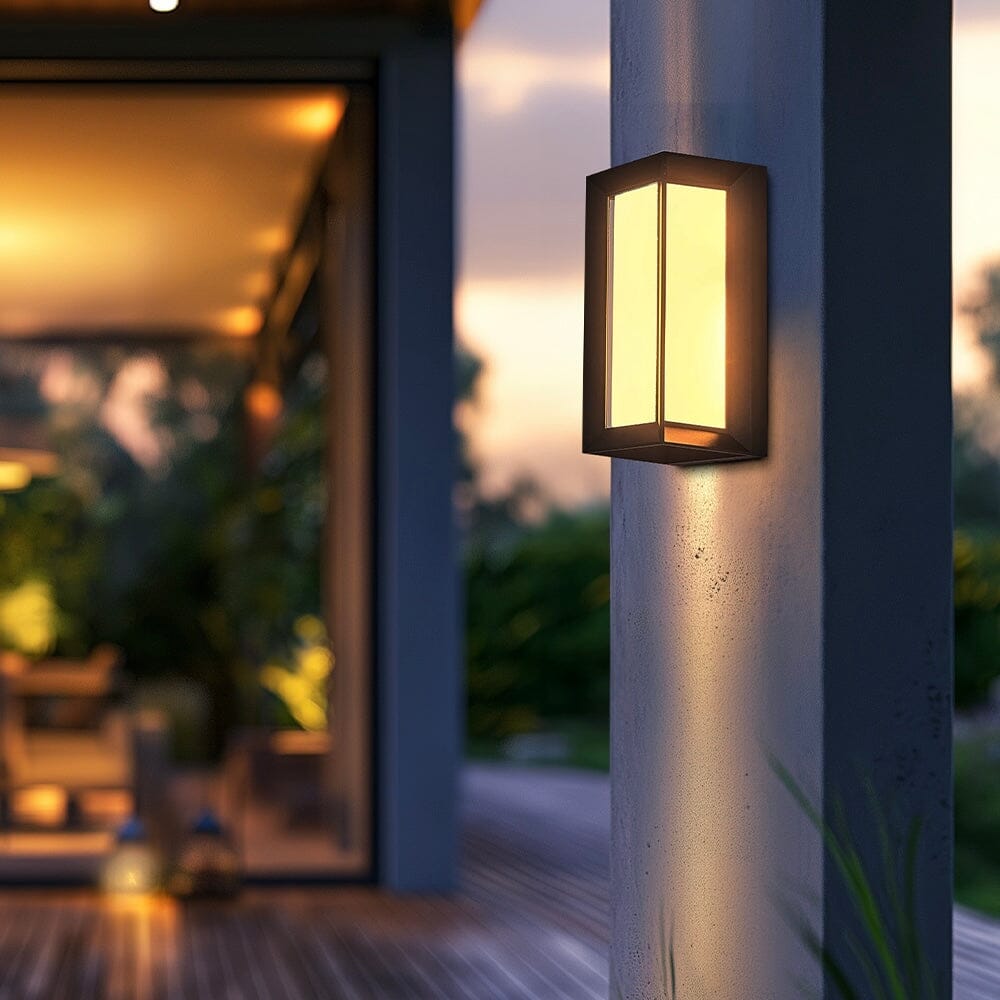
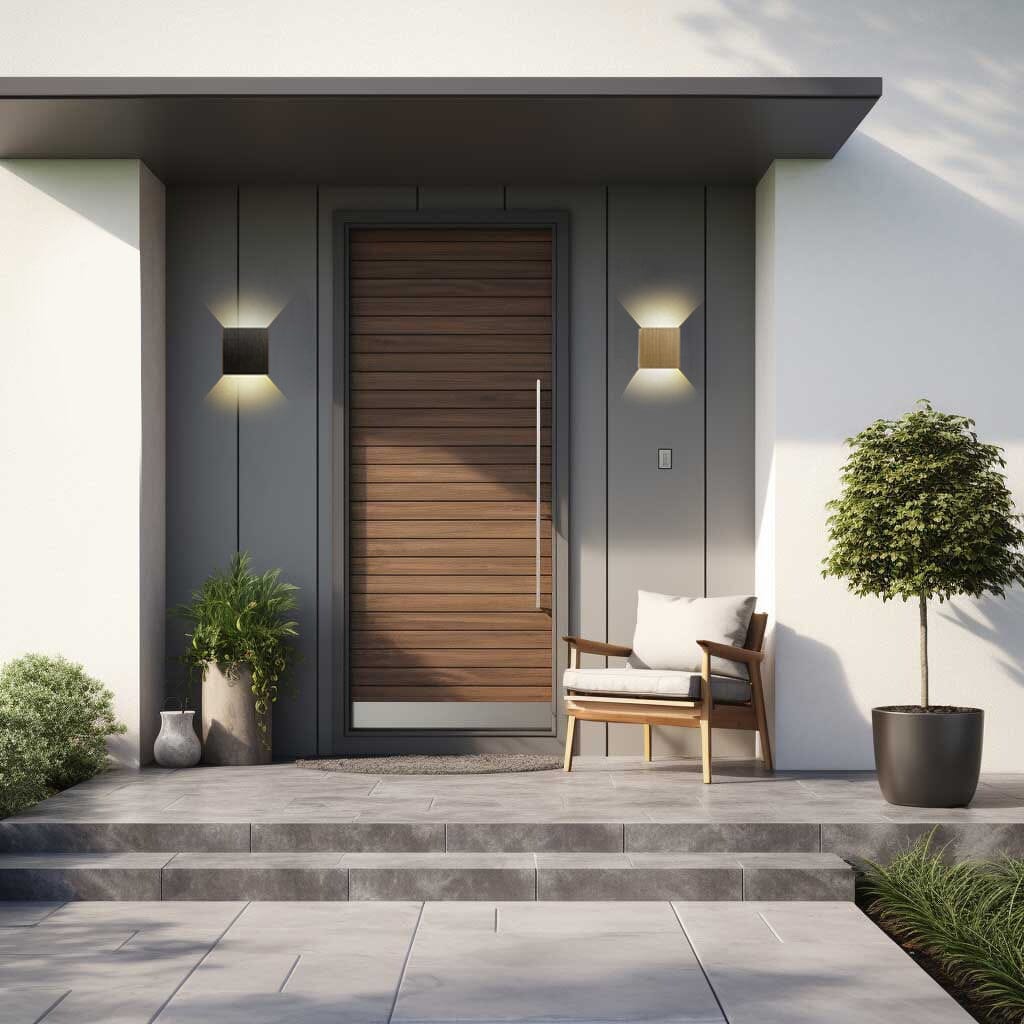
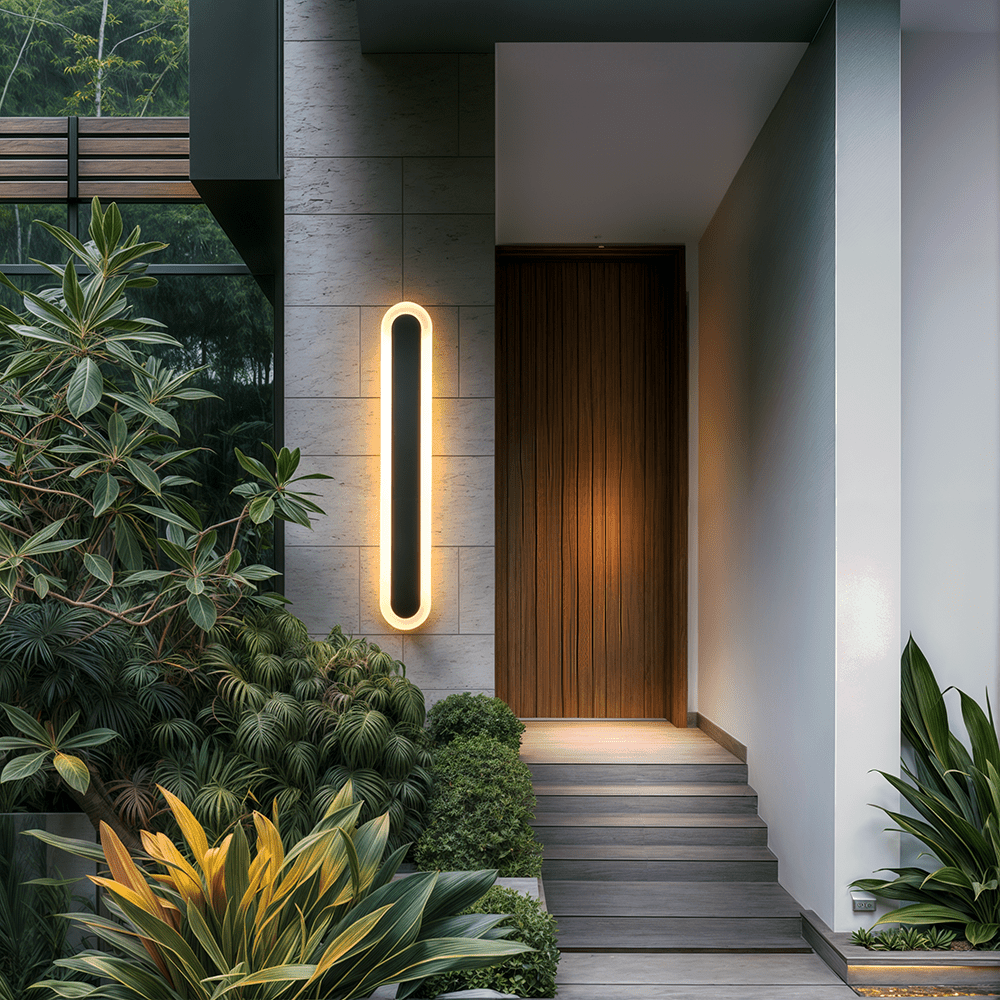
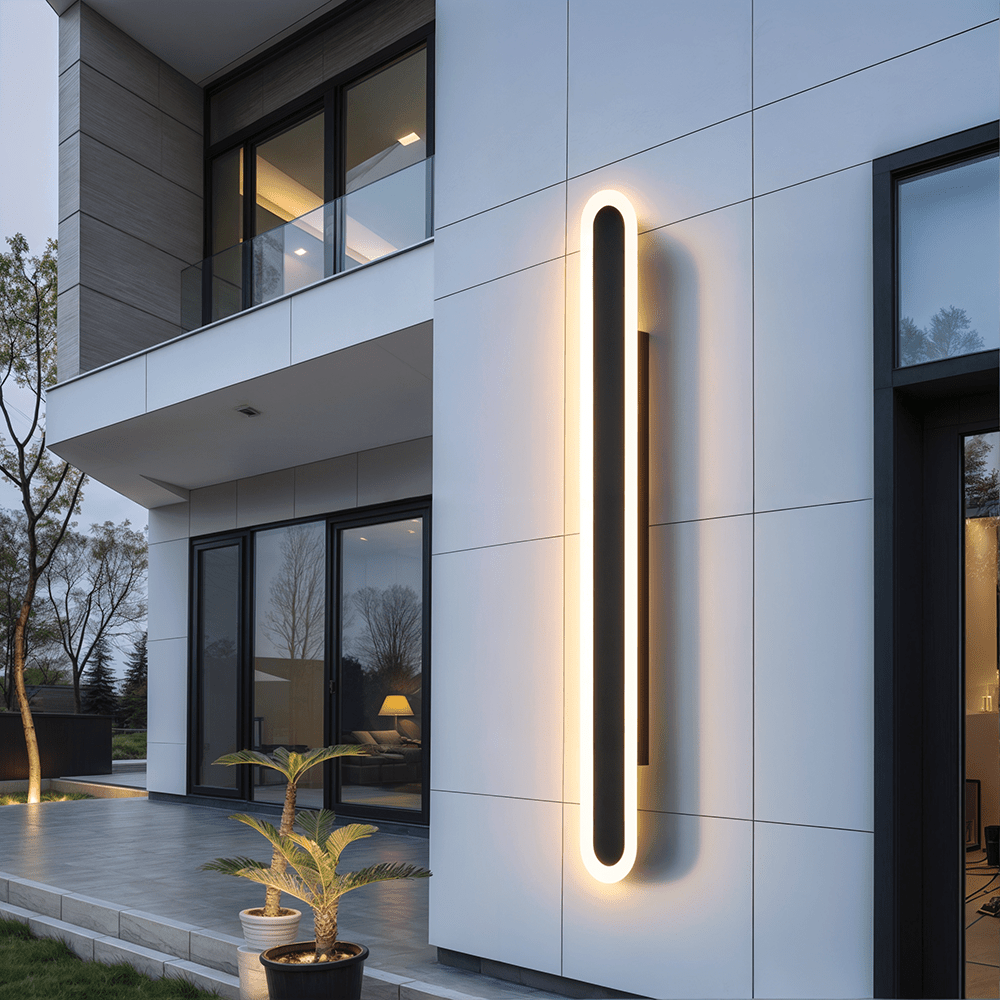
The workhorse of outdoor lighting. Mounted on either side of the front door, flanking a garage, along a covered walkway, or beside a back door. Available in wet-rated (exposed to rain) and damp-rated (covered locations) versions. Best for defining entrances and giving your home a nighttime silhouette.
Front Porch & Back Porch Lights
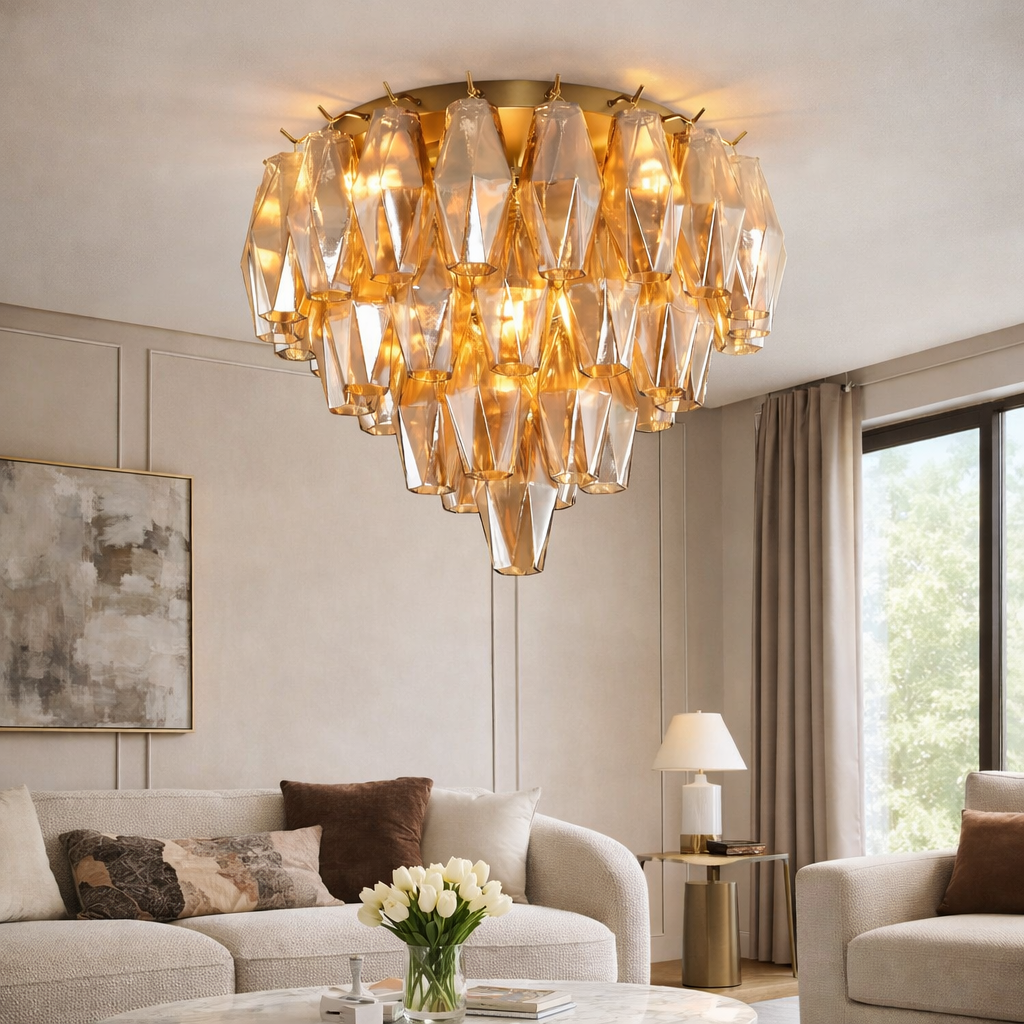
Ceiling-mounted or wall-mounted fixtures for porch installations. Ceiling porch lights sit flush or semi-flush for lower porch ceilings; hanging pendants and lanterns work for taller porches with more architectural presence.
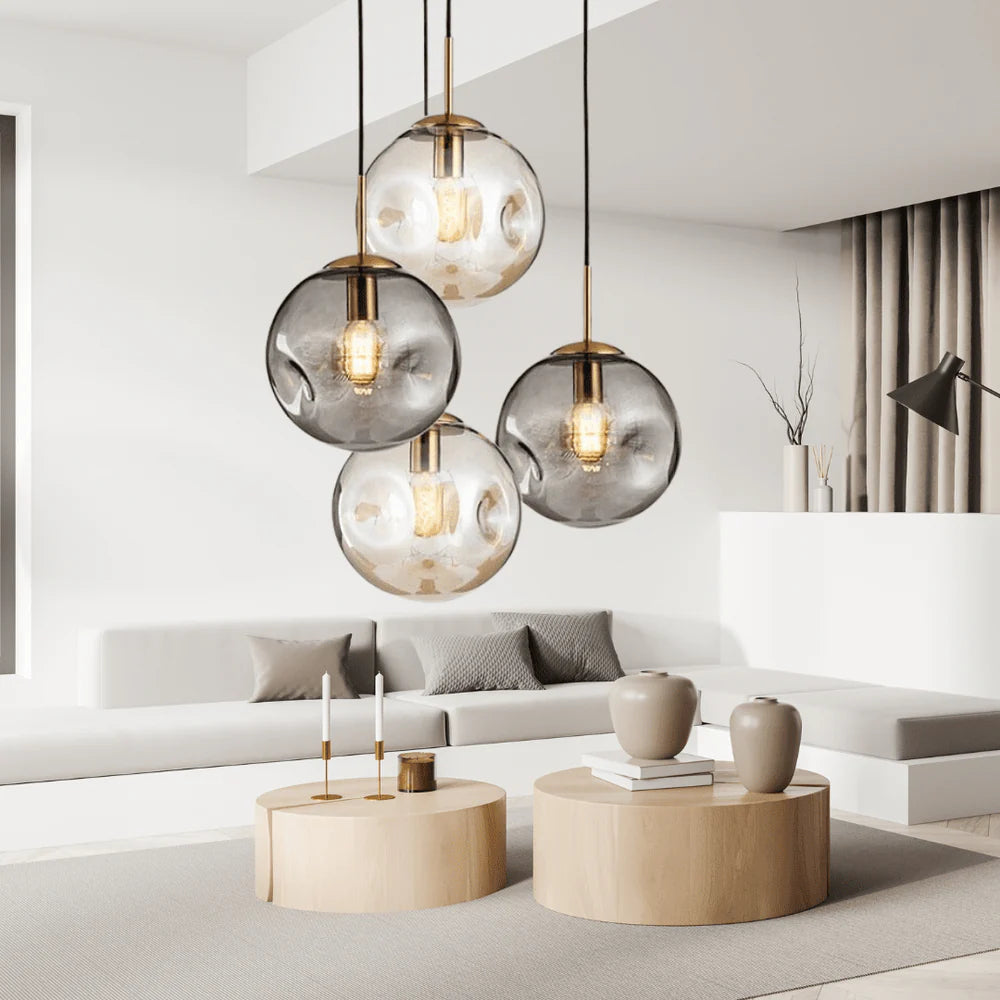
Outdoor Pendants
Hanging fixtures for covered patios, gazebos, pergolas and porticos. Damp-rated construction is standard for covered outdoor pendants; if the pendant sits in an open pergola with rain exposure, specify wet-rated.
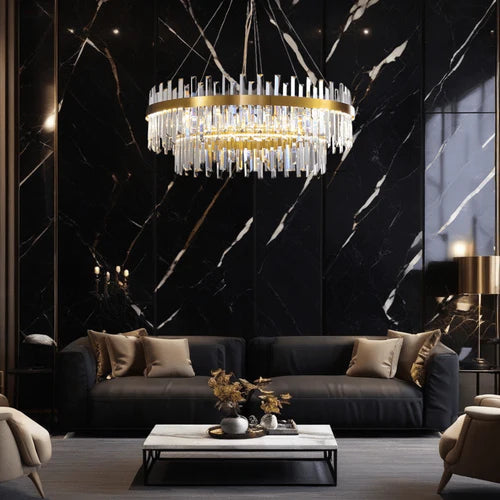
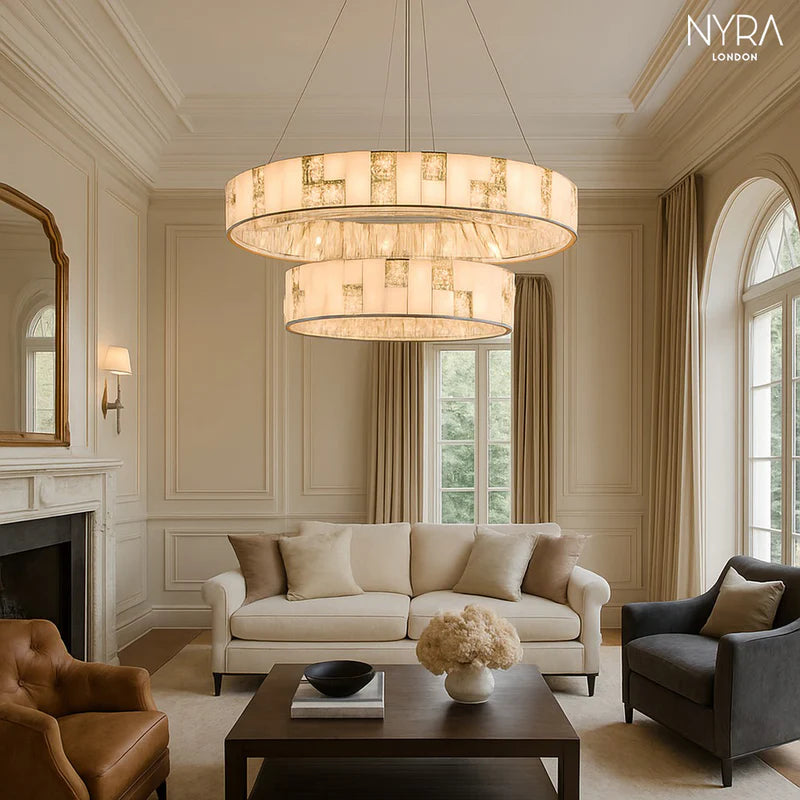
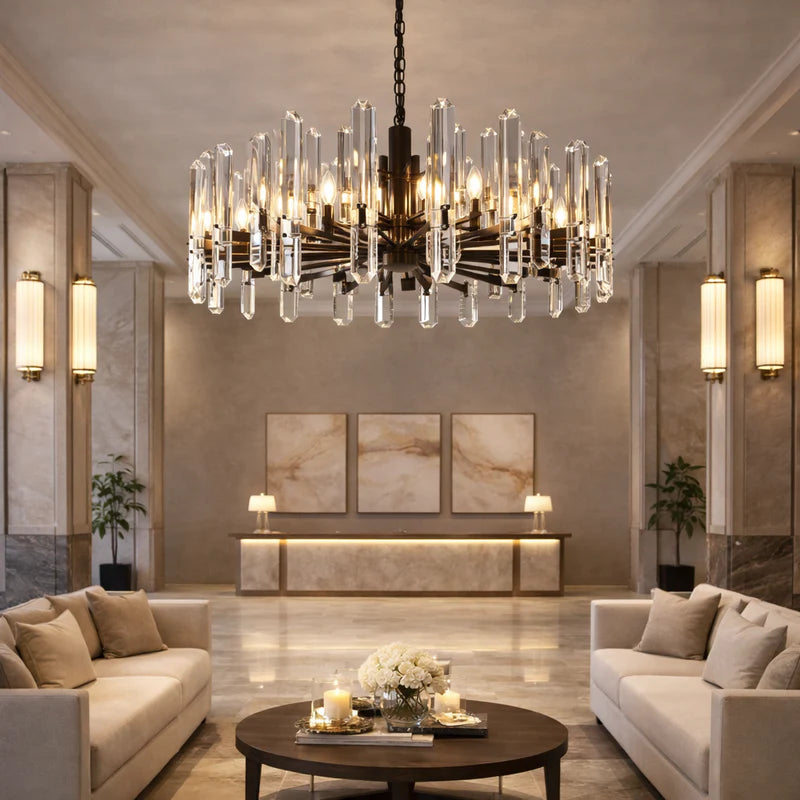
Outdoor Chandeliers
Larger statement fixtures for outdoor dining tables under a covered patio or pavilion. Best for entertaining-focused spaces where the chandelier itself becomes part of the outdoor room.
Portico Lights & Entryway Lanterns
Traditional lantern-style fixtures for porticos, entry hoods and covered walkways. Available as hanging pendants or ceiling flush mounts depending on your ceiling height.
Wet-Rated vs Damp-Rated: What You Actually Need
This is the single most important decision when buying outdoor lighting in the US. Get it wrong and your fixture fails within a season.
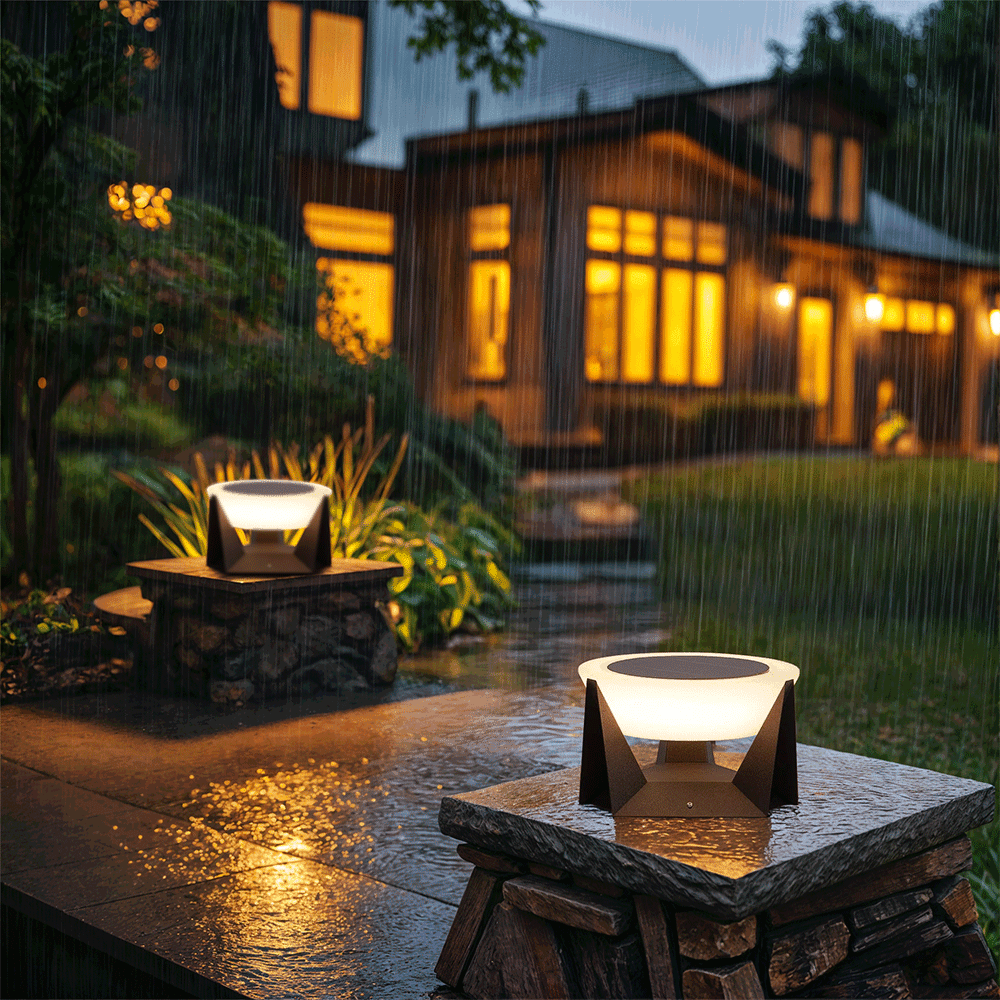
Wet-Rated (UL Wet Location / IP65 equivalent) — Designed for direct water exposure — rain, snow, sprinklers, hosing. Required for:
- Uncovered patios
- Exposed exterior walls (no eave or overhang)
- Open pergolas
- Deck fixtures without a roof above them
Damp-Rated (UL Damp Location / IP44 equivalent) — Designed for humidity and indirect moisture, but not direct water. Suitable for:
- Covered porches (with a roof)
- Under eaves and soffits
- Covered patios with a full roof
- Porticos and covered entryways
Dry-Rated — Interior only. Never install a dry-rated fixture outdoors, even under cover. Humidity alone will corrode the internal wiring within months.
A wet-rated fixture can always be used in a damp-rated location — the reverse is not true.
How to Choose the Right Outdoor Wall Sconce
Mounting height:
- Front door flanking sconces: 60–66 inches from the floor to the center of the fixture (paired left and right of the door).
- Single sconce beside a door: 60–72 inches from the floor.
- Garage door flanking sconces: 70–80 inches from the floor (higher, because the garage door itself is taller than a person).
Sizing:
- Single door sconce: roughly 1/3 the height of the door frame.
- Paired door sconces: roughly 1/4 the height of the door frame each.
- Garage flanking: roughly 1/4 the height of the garage door.
Fixtures that are undersized against a large exterior wall are the most common mistake in US outdoor lighting. Err slightly larger — a sconce that looks too big in the box almost always looks right on the wall.
How to Choose the Right Outdoor Pendant or Chandelier
Hanging height (over a covered patio dining table): Bottom of the fixture 30–36 inches above the tabletop.
Hanging height (over a general covered patio, no table): Bottom of the fixture at least 7 feet from the floor, adjusted up for taller ceilings.
Sizing: Same formula as indoor pendants — combined fixture width should equal roughly half to two-thirds the width of the table or seating area below.
Rating: Damp-rated for covered patios and pergolas with a full roof. Wet-rated if the pendant will see rain or splash.
Color Temperature & Bulbs
Color temperature for residential exterior lighting: 2700K–3000K (warm white). This is not optional. Cooler temperatures (4000K+) make a home look like a gas station forecourt at night. Warm white pairs naturally with brick, stone, stucco, wood and painted siding, and it flatters the home's architecture the way harsh cool light never will.
Bulbs: LED is the standard. Look for LED bulbs rated for the actual base type your fixture uses (E26 for most US fixtures). Choose dimmable bulbs paired with a dimmer switch if the fixture supports it.
Photocell / dusk-to-dawn: Recommended for outdoor fixtures. Pair your fixtures with a photocell sensor or smart bulb — outdoor lights left on manual switching are consistently forgotten or activated inconsistently, which spoils the effect and wastes energy.
Dark Sky Compliance
If you're in a US region with dark sky ordinances (parts of Arizona, Colorado, Hawaii, Utah, and a growing list of counties across the country), specify shielded, full-cutoff fixtures that direct light down rather than out or up. These reduce light pollution and comply with local ordinances. Most modern architectural outdoor lighting is inherently dark-sky friendly — check the fixture specification if in doubt.
Materials & Craft
Every outdoor fixture in this collection is built to survive outside long-term. Marine-grade brass and bronze develop a natural patina without corroding. Powder-coated aluminum and blackened metal hold their finish through freeze-thaw cycles. Tempered glass and heavy-cast bases handle wind loads without stress. If you're in a coastal environment, request marine-grade specification at order — our team will confirm what your climate needs.
If the exact finish, size or configuration you need isn't in the collection, our bespoke service can adapt any design.
Frequently Asked Questions
What's the difference between wet-rated and damp-rated outdoor lights?
Wet-rated fixtures are built for direct water exposure — rain, snow, sprinklers, uncovered patios. Damp-rated fixtures handle humidity and indirect moisture but not direct water — they're suited to covered porches, under eaves, and covered patios. A wet-rated fixture can always be used in a damp location, but a damp-rated fixture must never be used in a wet location.
How high should I hang porch lights or outdoor wall sconces?
For sconces flanking a front door, mount them 60–66 inches from the floor to the center of the fixture. For a single sconce beside a door, 60–72 inches. For sconces flanking a garage door, 70–80 inches.
What color temperature is best for outdoor lighting?
2700K–3000K (warm white). Cooler temperatures make residential exteriors look clinical and unwelcoming. Warm white pairs naturally with all common exterior materials — brick, stone, stucco, wood and painted siding.
Are your outdoor lights UL-rated for US installations?
Yes. All NYRA outdoor fixtures can be specified with UL-compatible components on request. Confirm wet-rated or damp-rated construction at order based on your installation location.
Can I use outdoor pendants and chandeliers under a covered patio?
Yes damp-rated construction is standard for covered outdoor spaces. If your patio is only partly covered or open to rain from the sides, specify wet-rated at order.
Do you ship outdoor lighting to the United States?
Yes. All NYRA fixtures ship to the US with free shipping and all customs duties and import taxes included. Fixtures are built to US electrical standards (110–120V).
Are outdoor lights dimmable?
Most designs pair with a compatible outdoor-rated dimmer switch. Specify at order — our team will confirm compatibility and advise on dimmer type before production.
How do outdoor fixtures hold up in coastal climates?
Salt air is corrosive. If you're within a few miles of the coast, request marine-grade specification at order — our team will select finishes and materials suited to the climate.