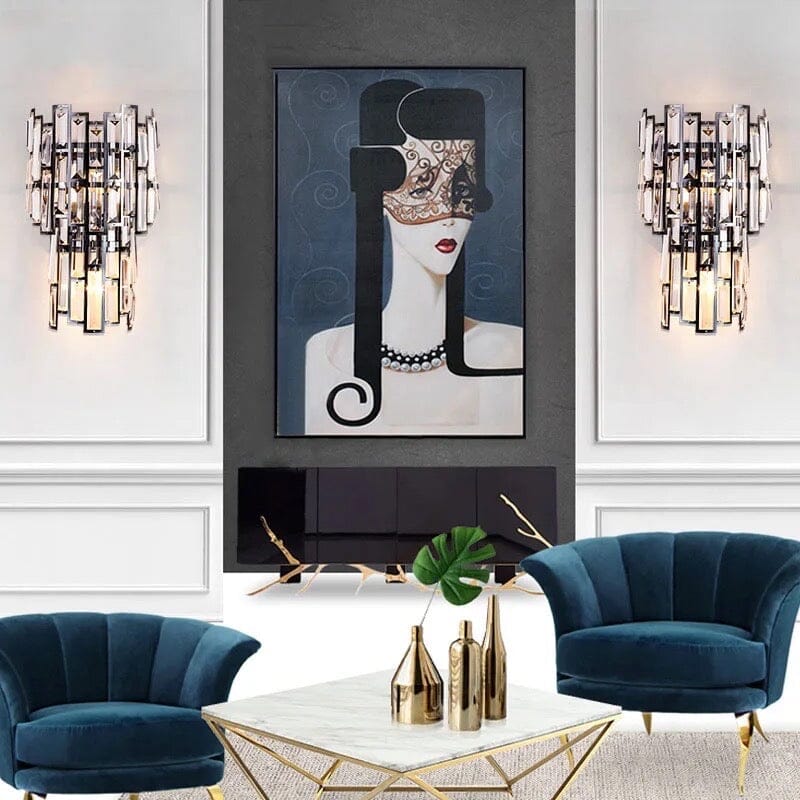
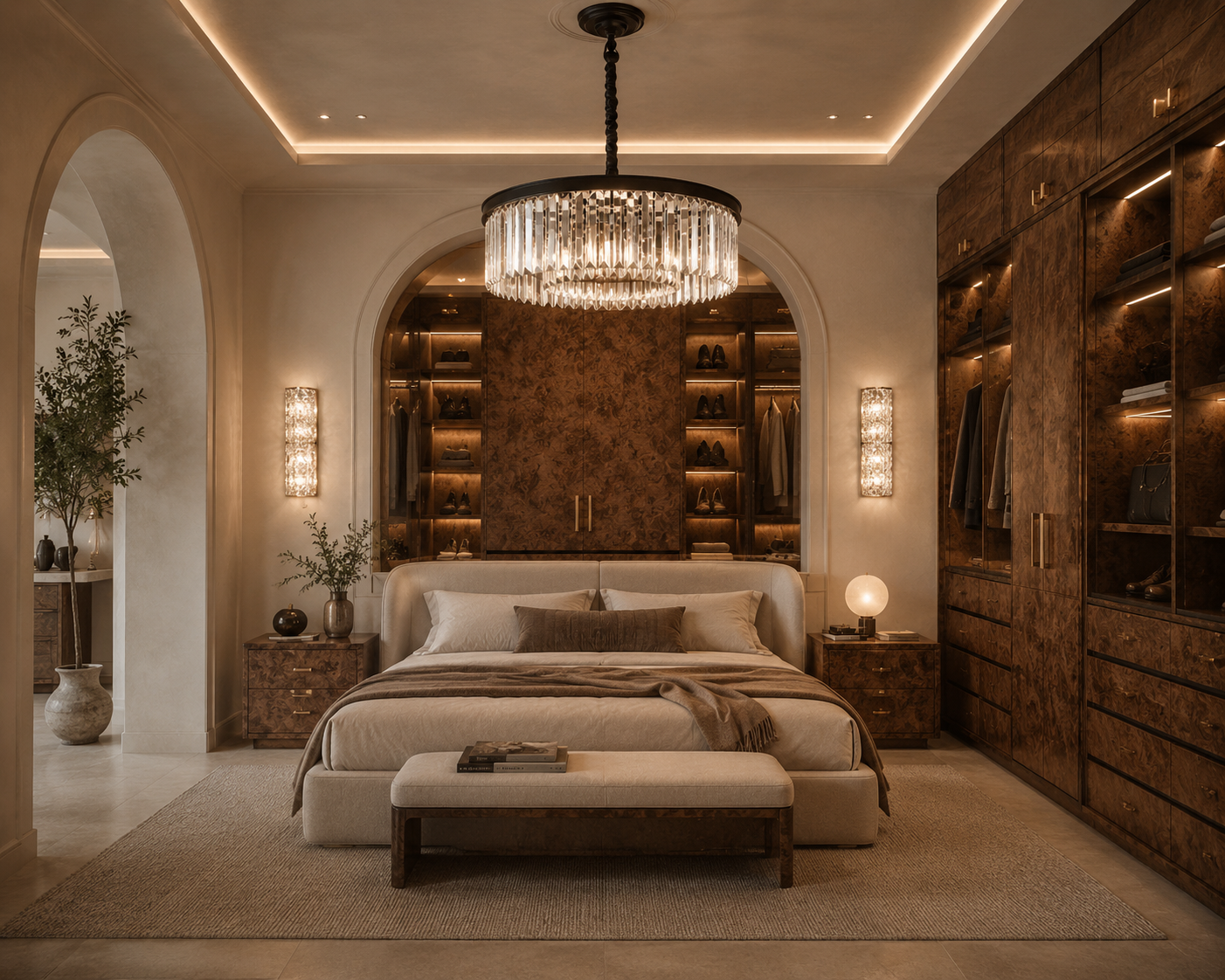
Wall Sconces
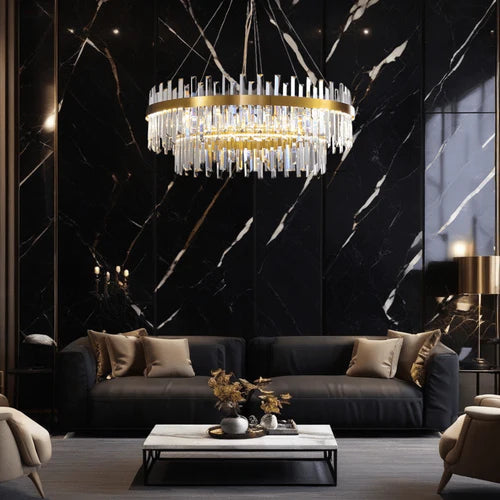
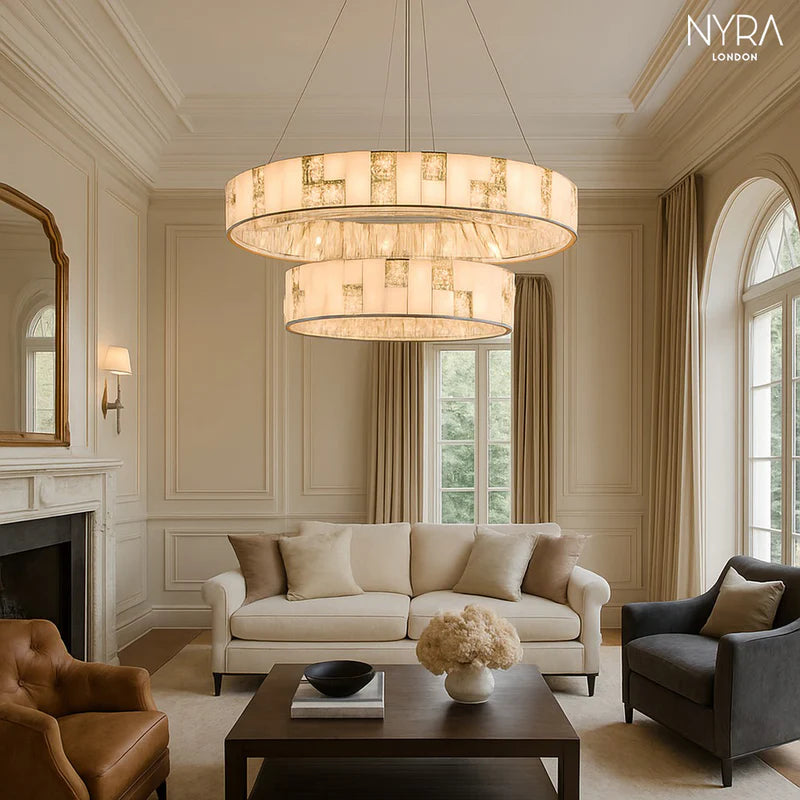
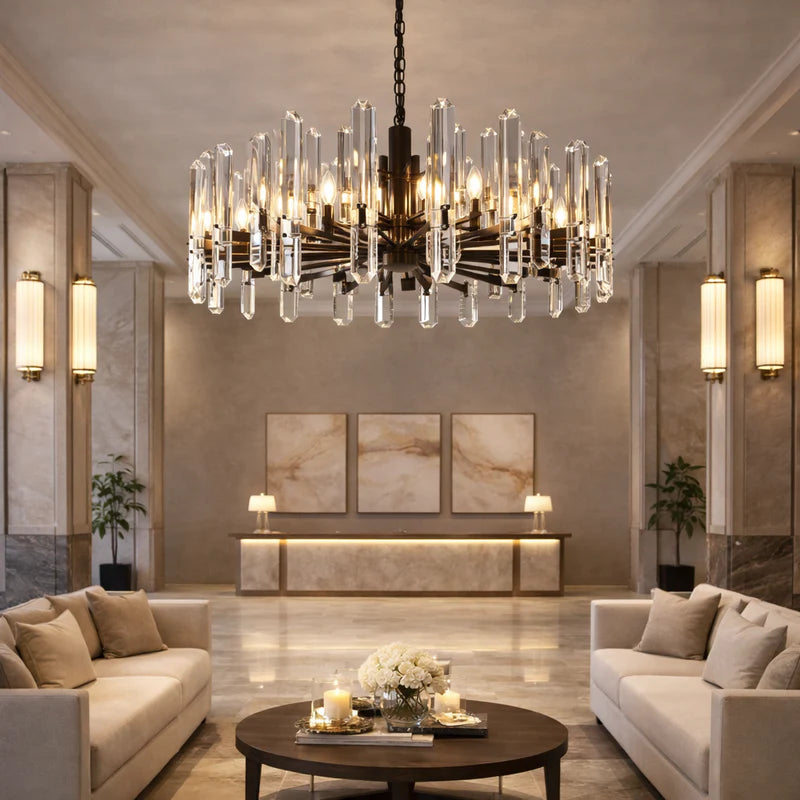
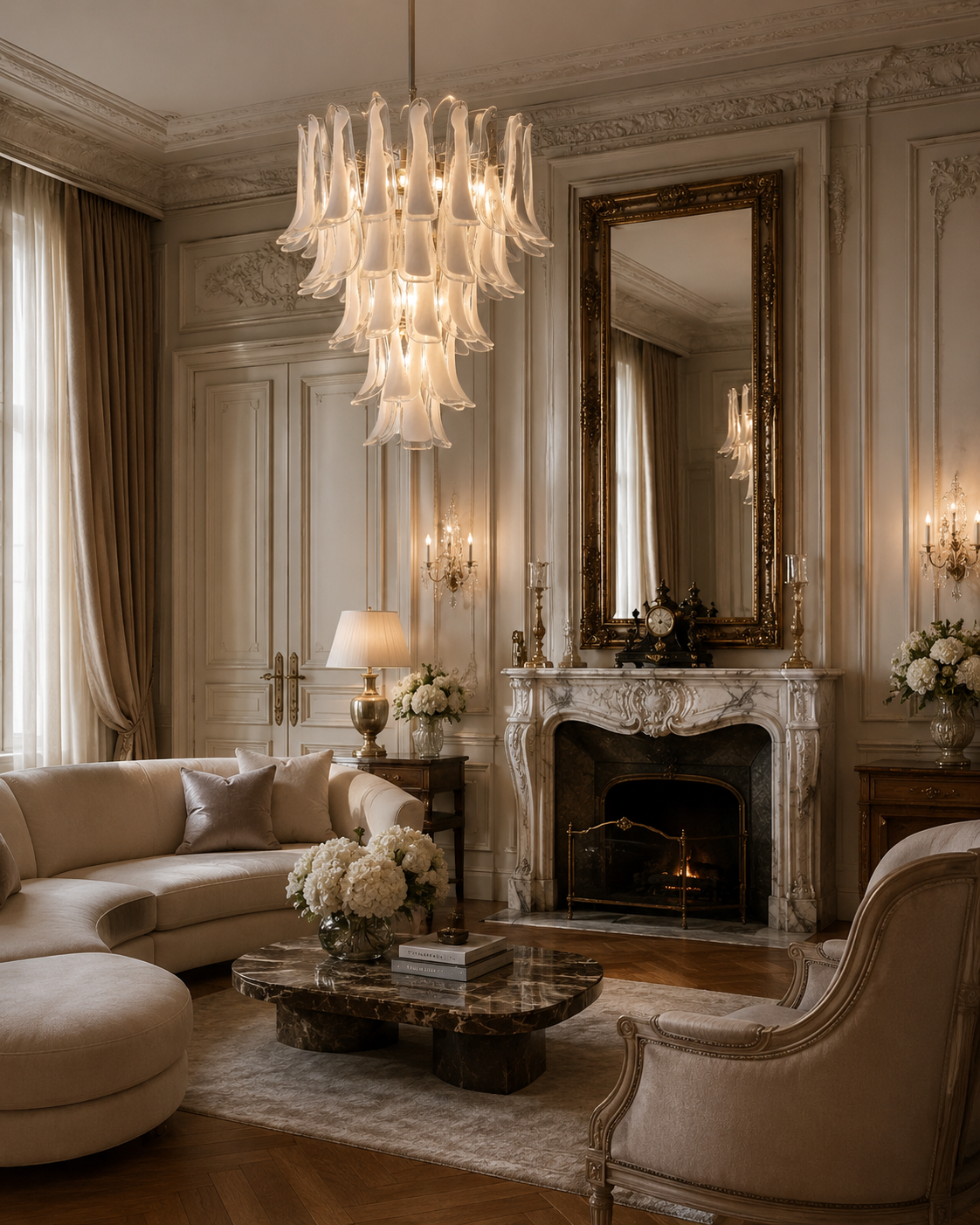
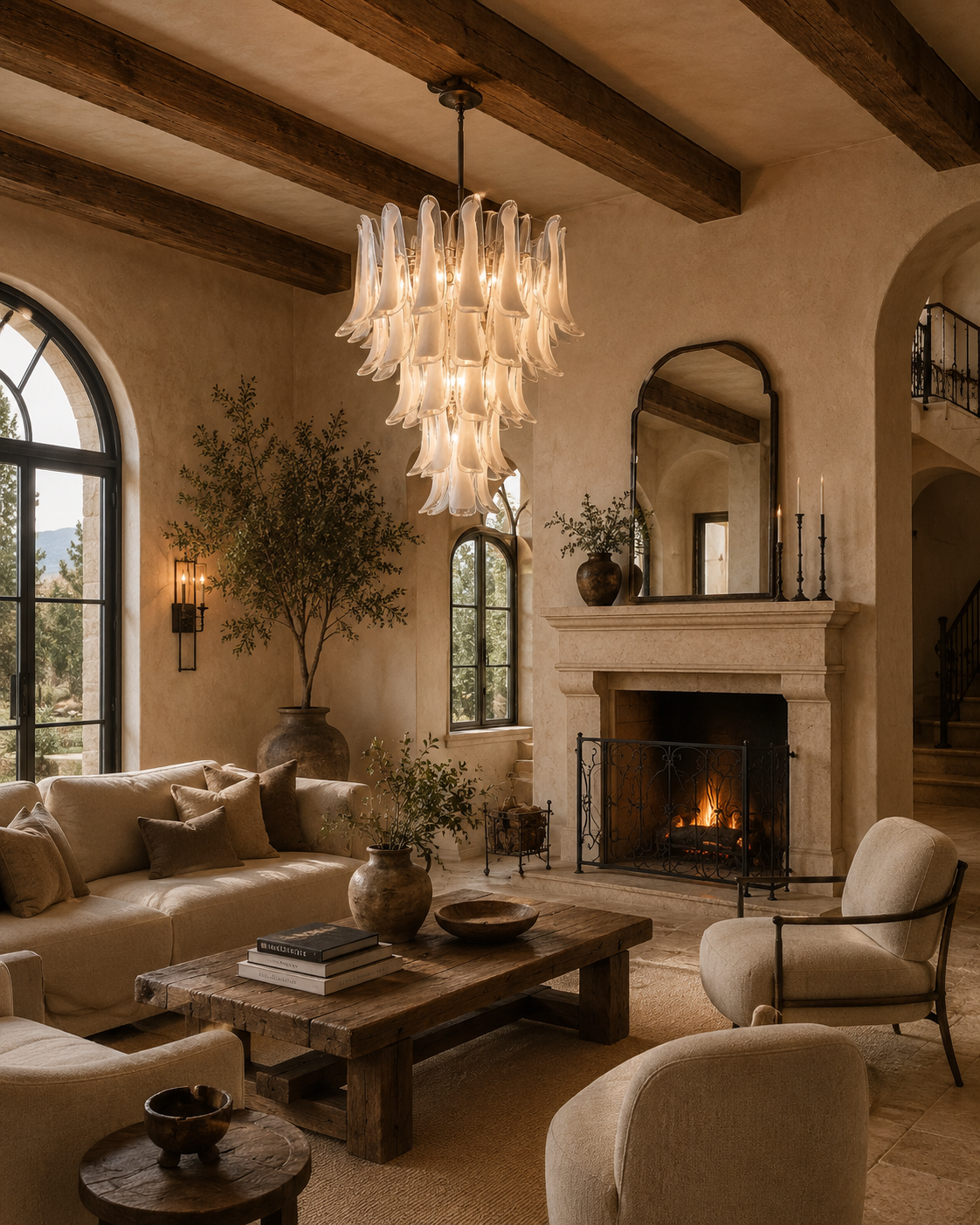
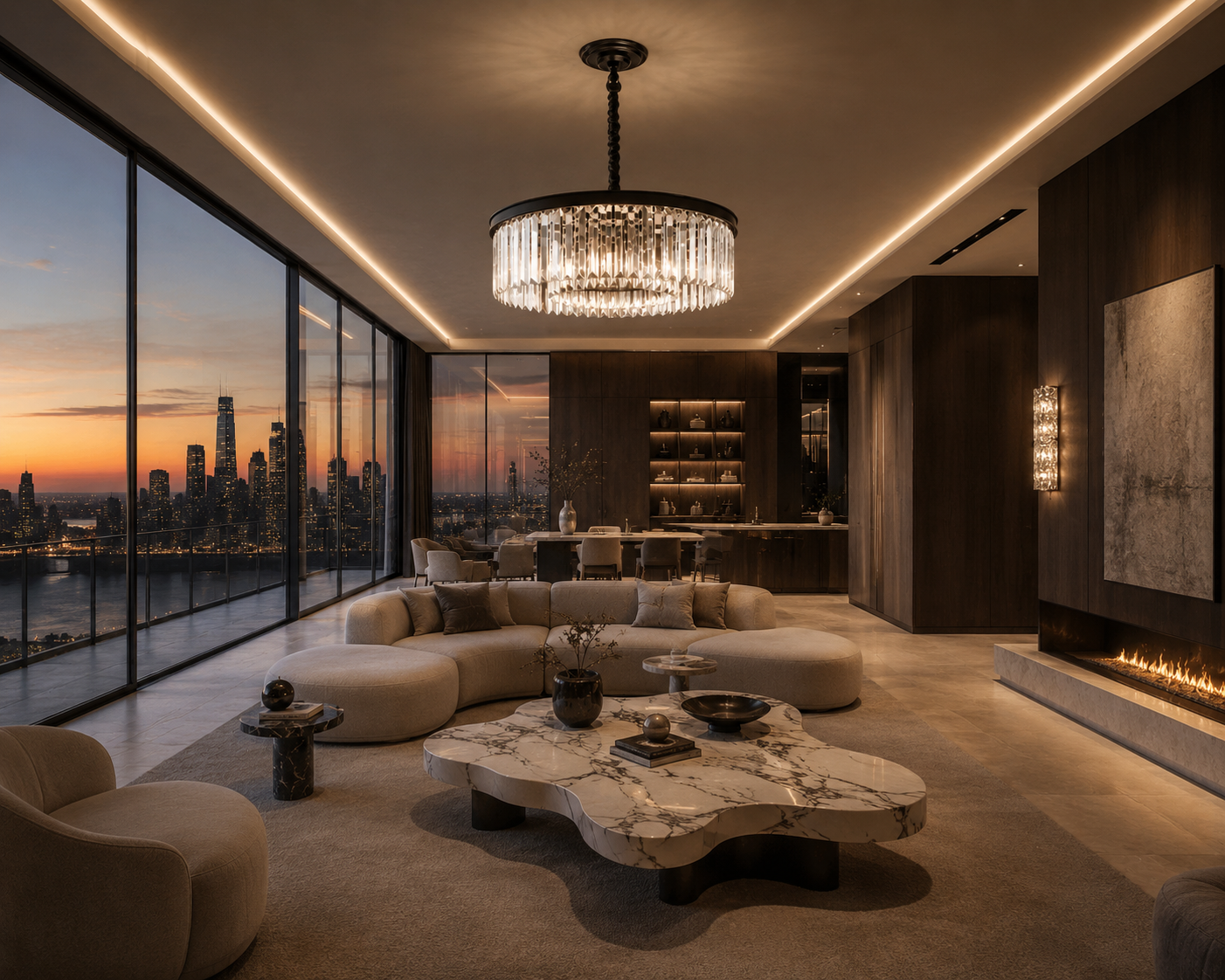
Chandeliers
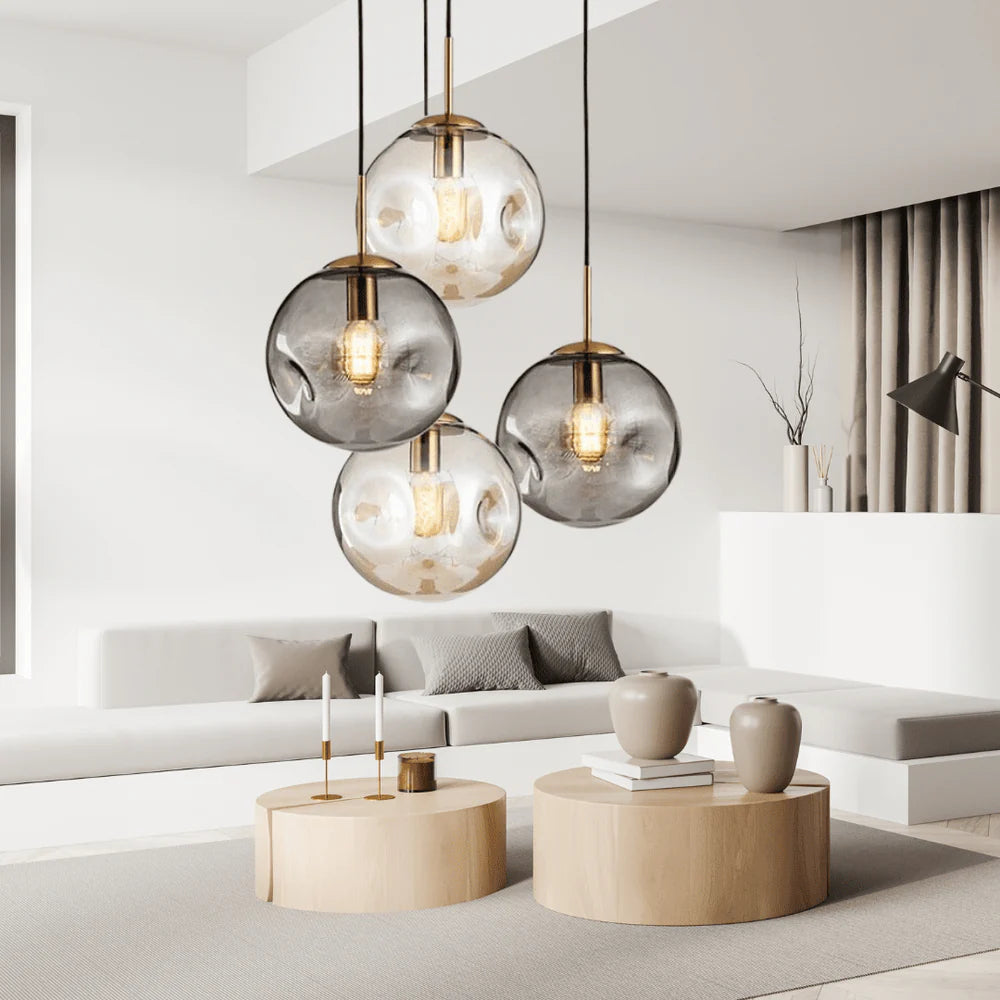
Pendants
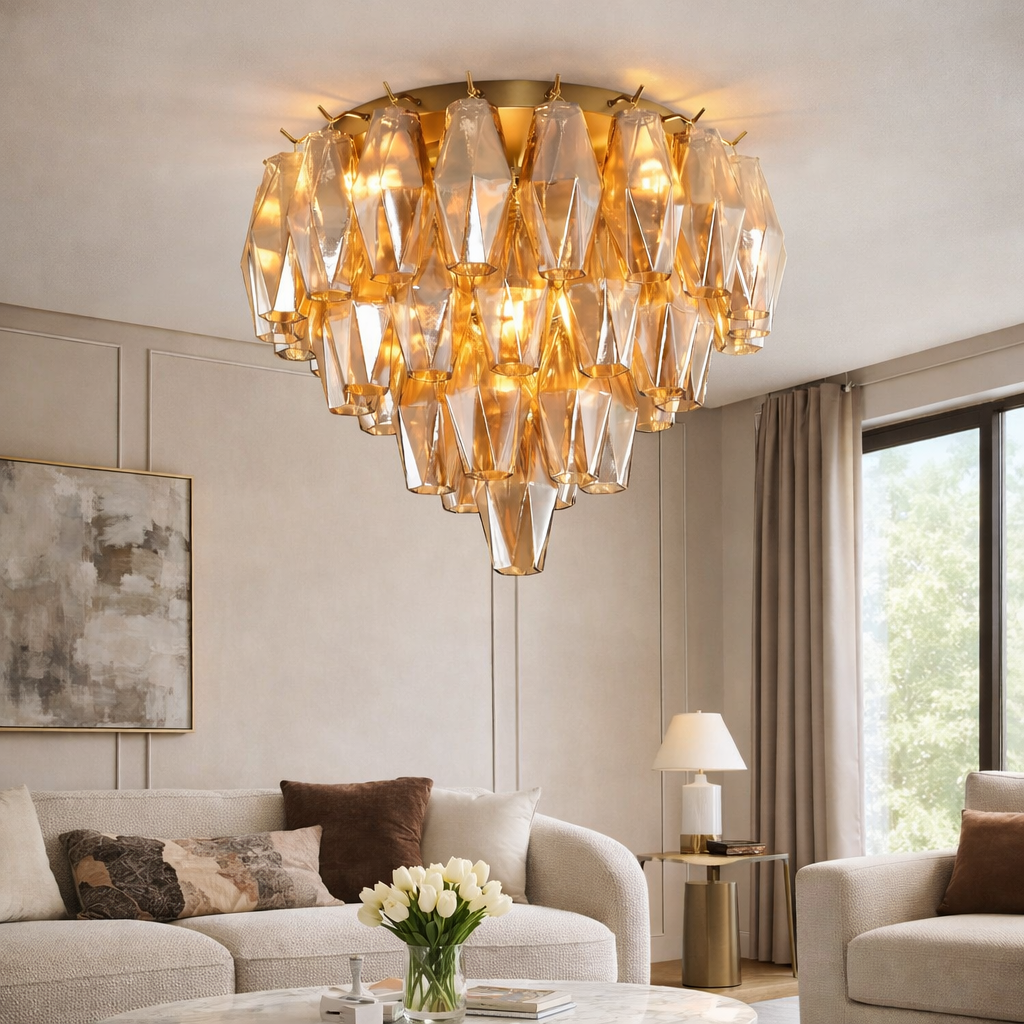
Ceiling Lamps
Foyer Lights
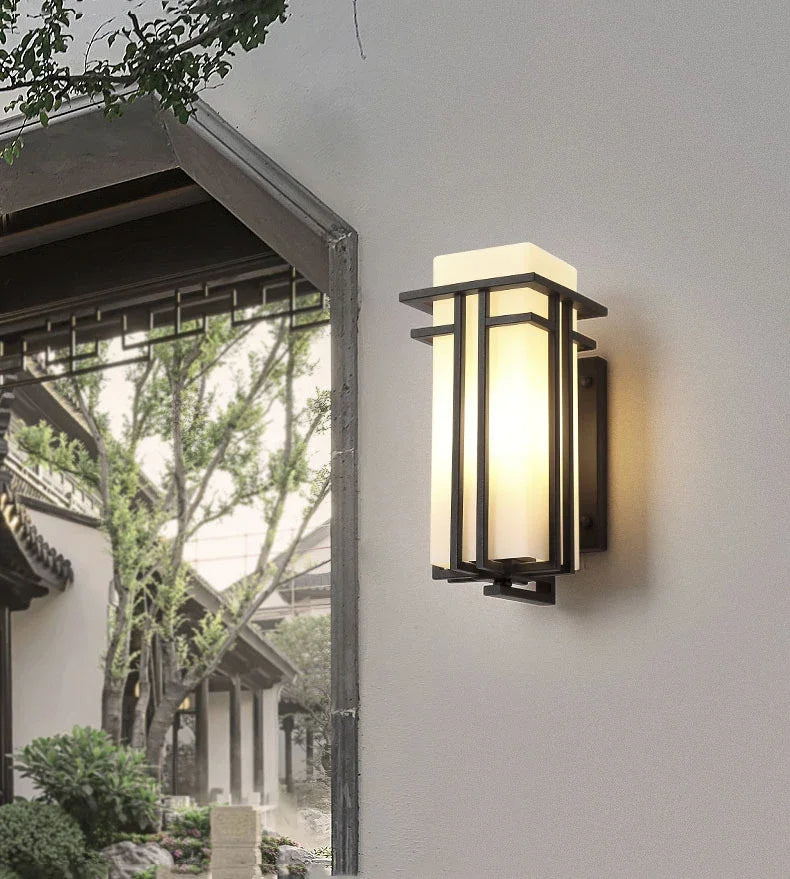
Outdoors
Table Lamps
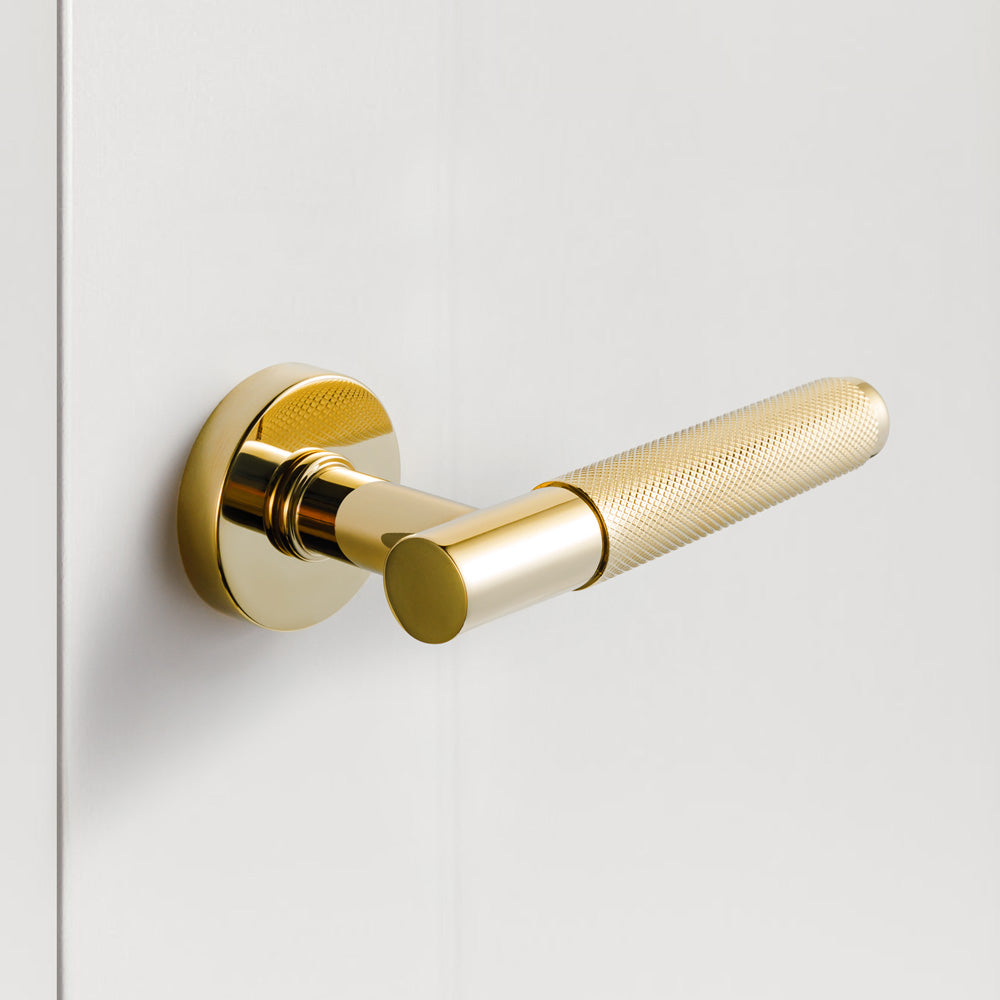
Hardware

Office Lighting

The right office lighting shapes how you work. It sharpens focus, reduces eye strain through long screen hours, and sets the tone of a space that clients, colleagues and collaborators walk into every day. NYRA LONDON's office lighting collection is designed for people who take that seriously whether you're kitting out a home study, a private office or a directors' floor.

Handcrafted to order in materials worth looking at up close marble, alabaster, sculptural glass, brass and crystal our office lights sit between task lighting and design statement. Ceiling and pendant fixtures deliver the even, glare-free illumination that screen work demands. Wall lights and floor lamps layer in warmth for meeting corners, reading nooks and reception areas. Desk lamps give you targeted control where you need it most.

Every piece is built to the electrical standards of your delivery country, and most designs can be adapted or scaled to order. Interior designers, architects and commercial fit-out teams can also apply to our Trade Programme for account pricing and project support.

Filters

Sort by:

77 products

Black Lara Dual LampBlack Lara Dual Lamp
Piccadilly Wall LampsPiccadilly Wall Lamps
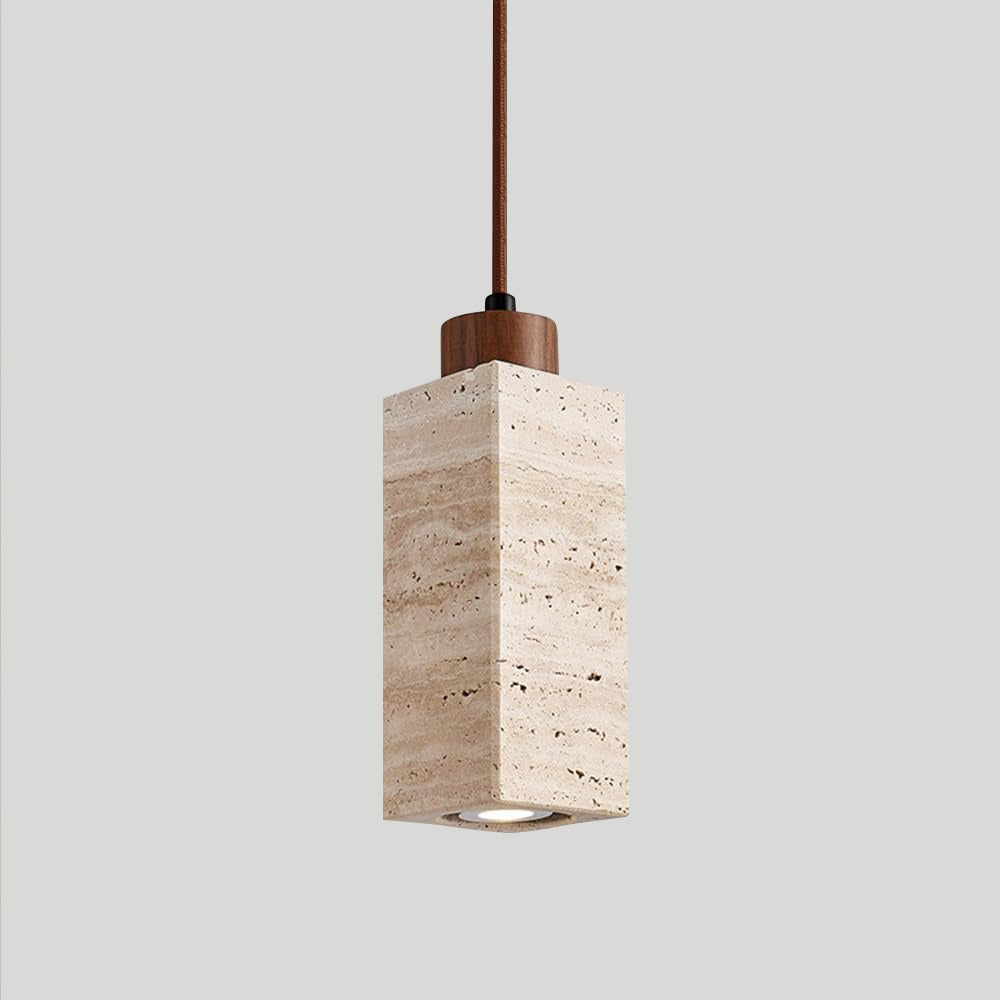
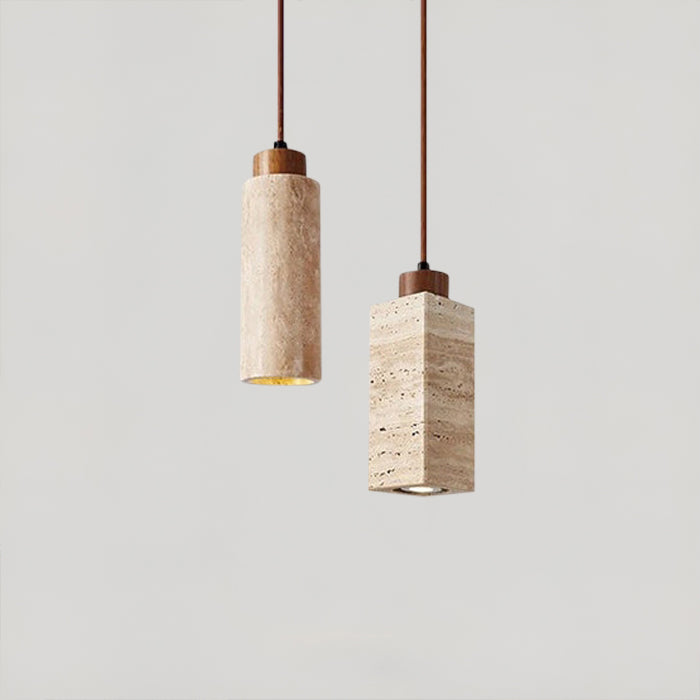
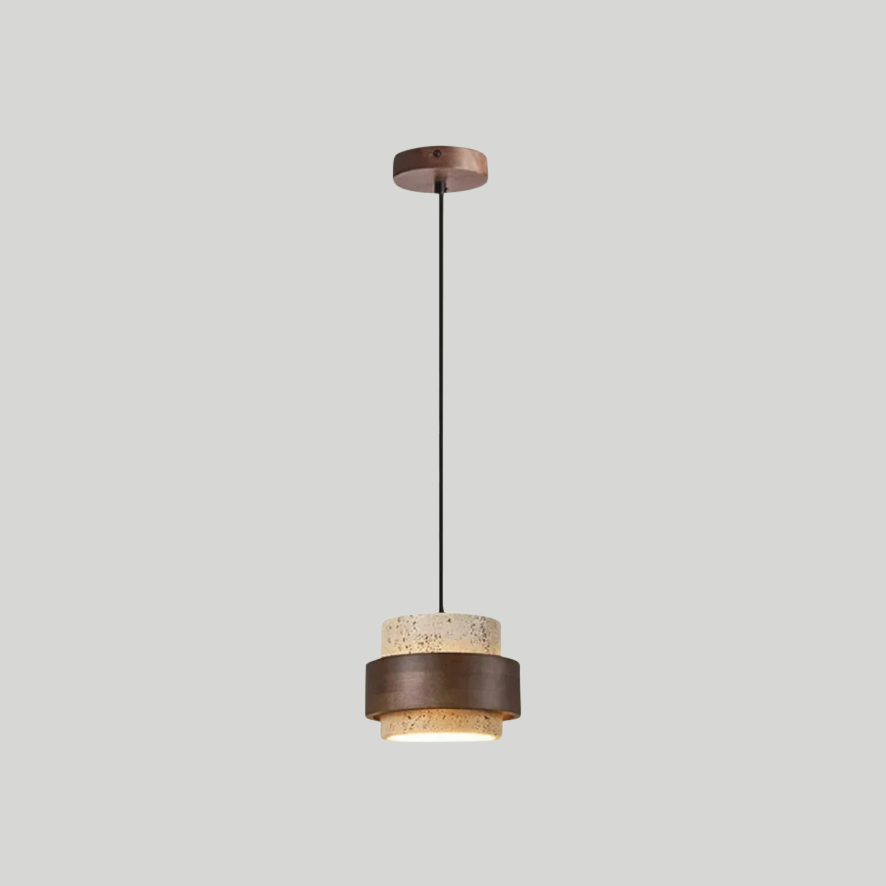
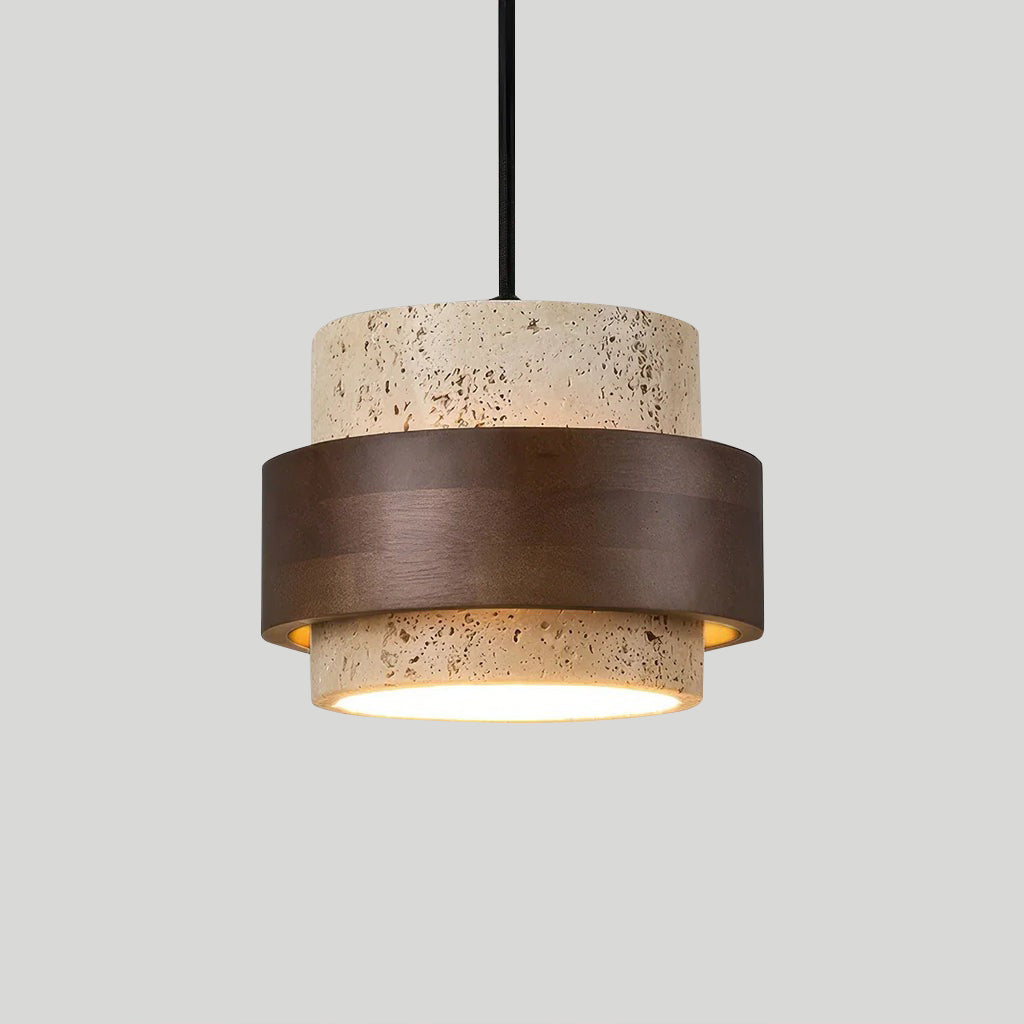
Terrano Stone Pendant LightTerrano Stone Pendant Light
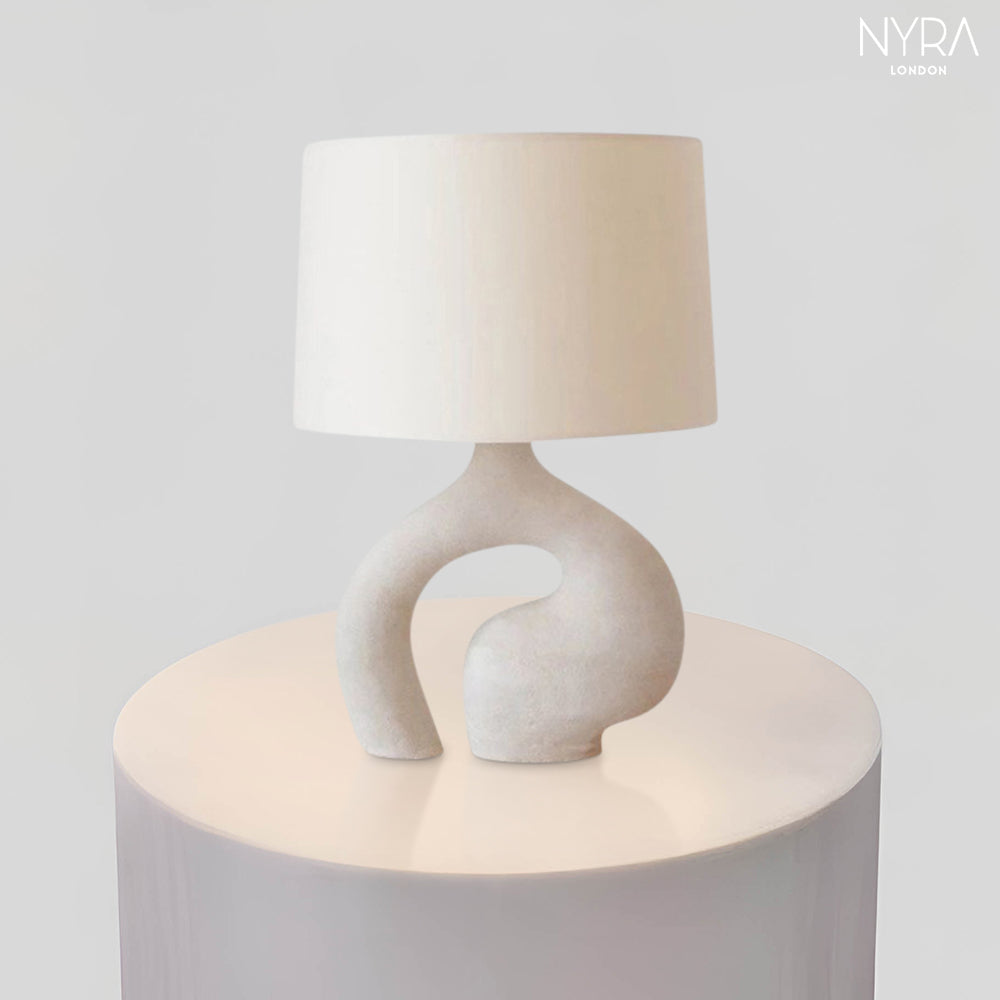
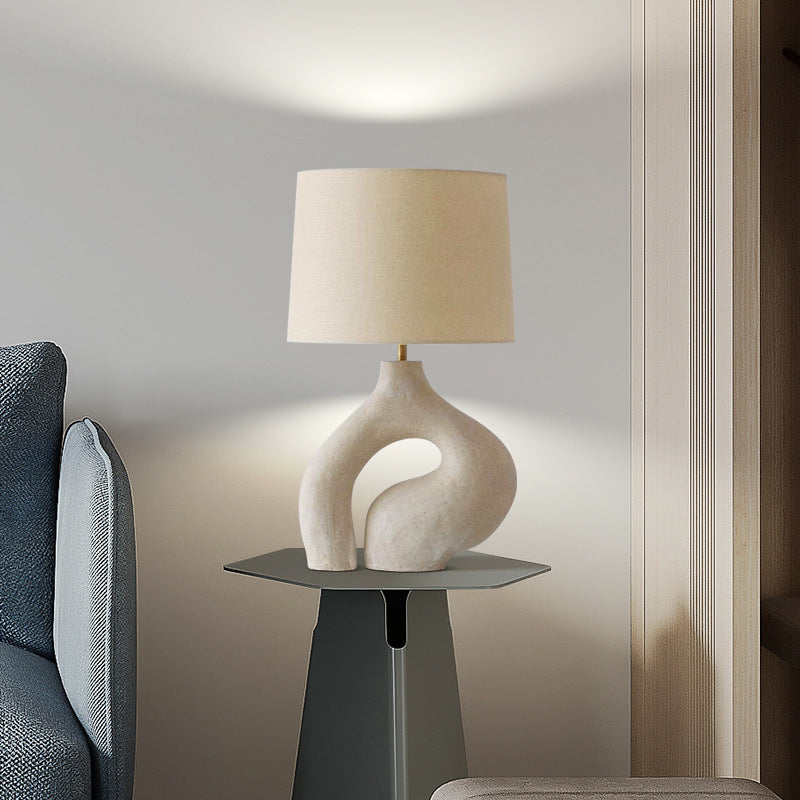
Elmoa-Art Cordless Table LampElmoa-Art Cordless Table Lamp
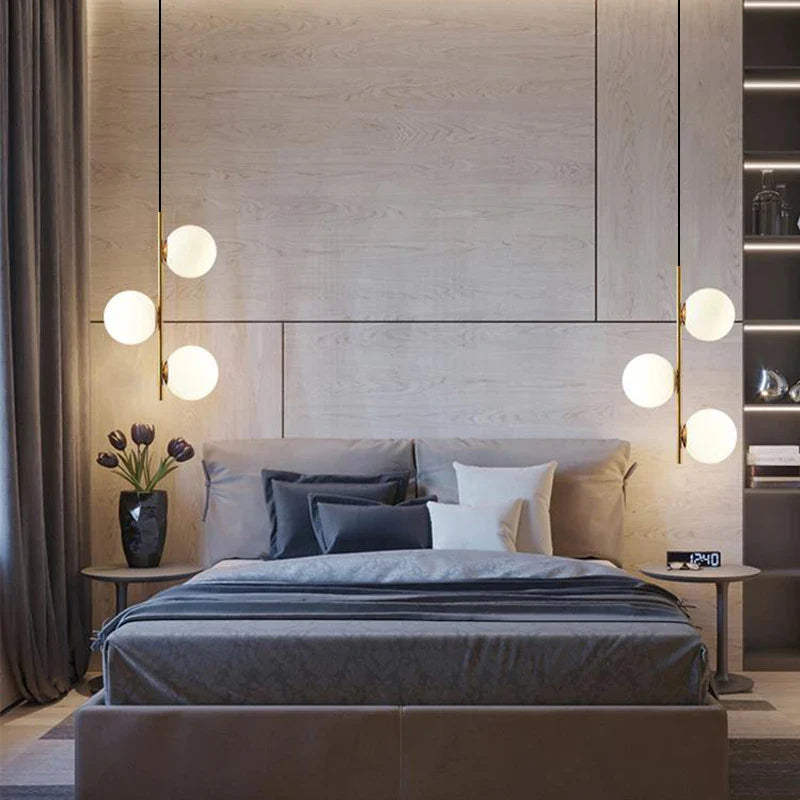
Maisonix Glass Pendant LightMaisonix Glass Pendant Light
Sale priceFrom $ 749.00
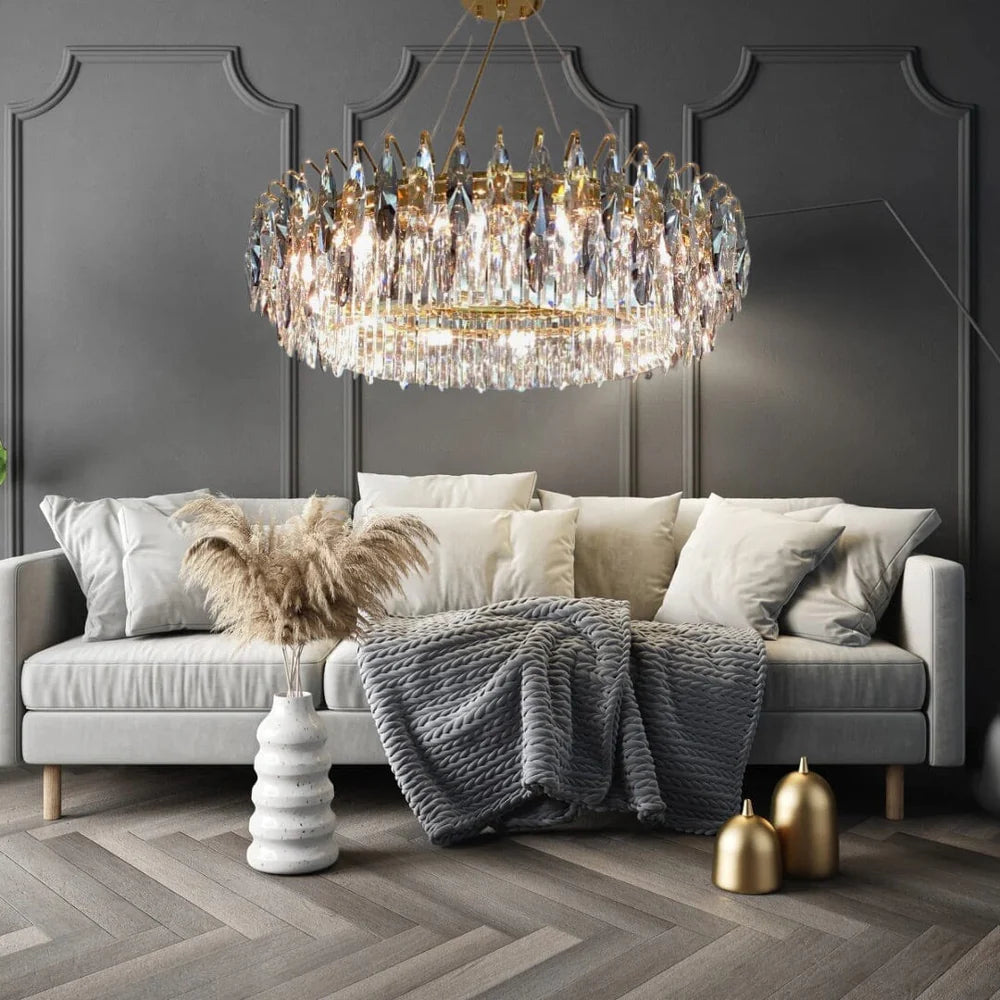
Helena Crystal PendantHelena Crystal Pendant
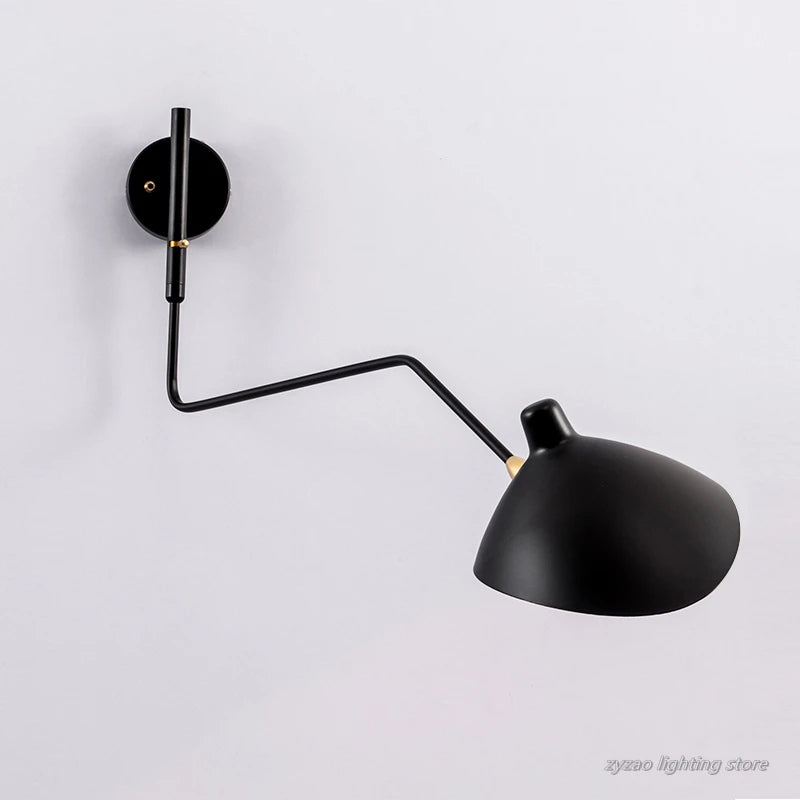
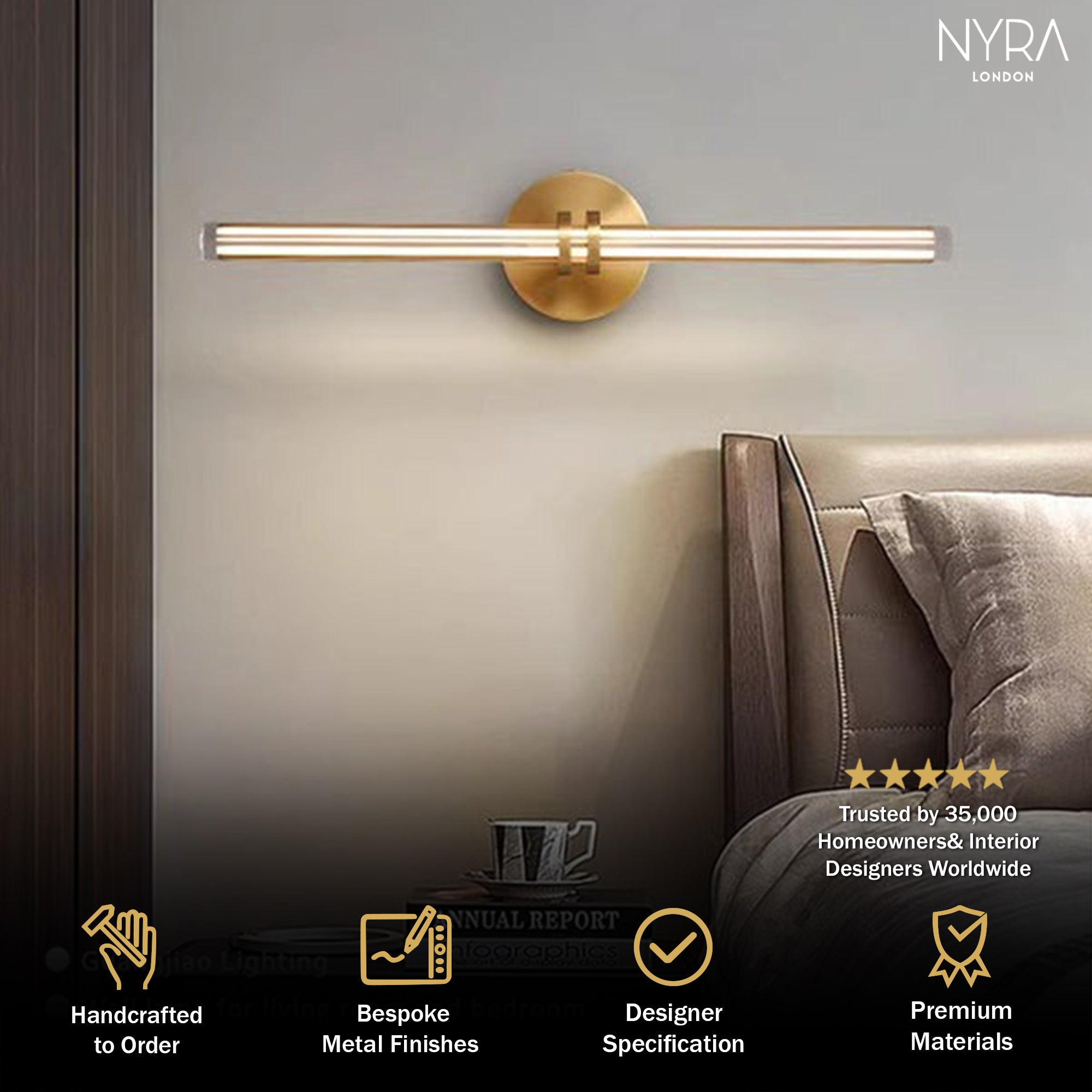
Dual Arc Modern Wall LampDual Arc Modern Wall Lamp
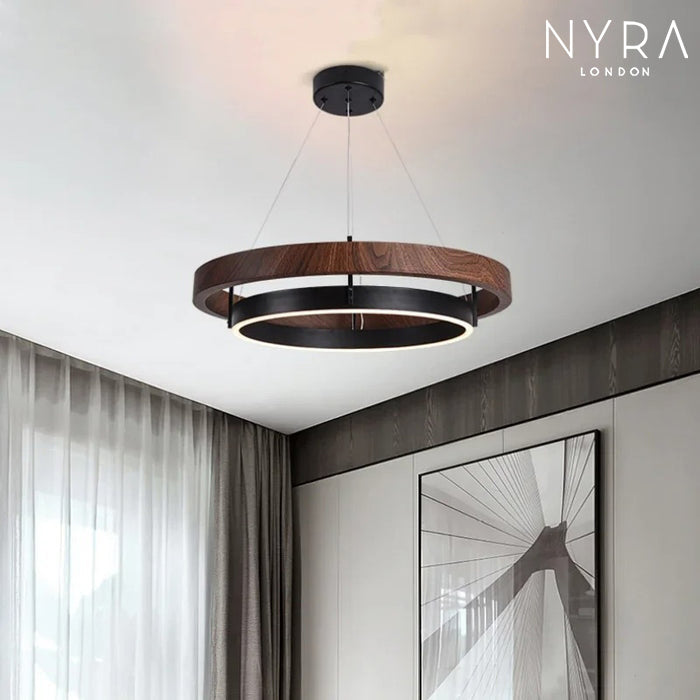
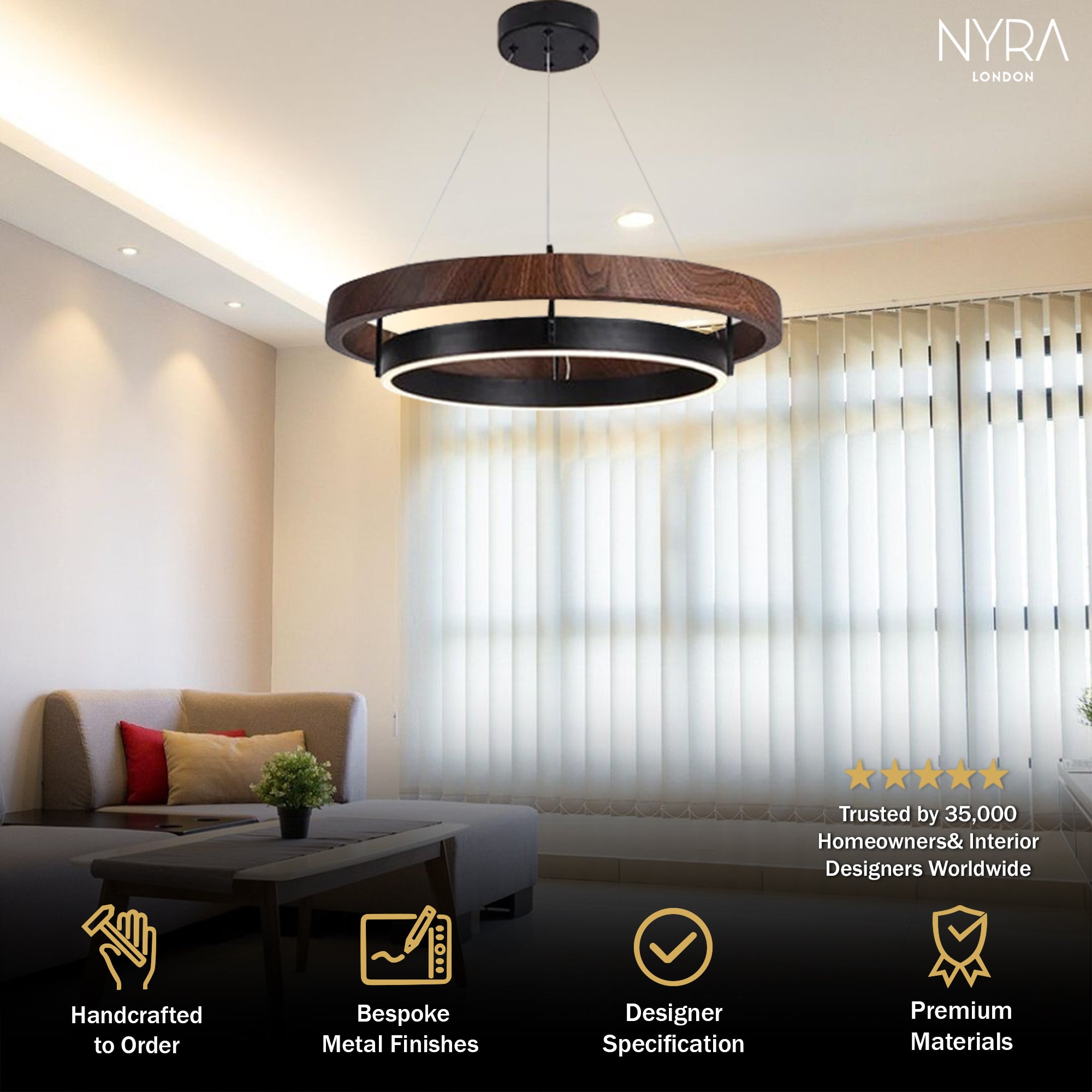
LOVO Circular Wood Grain ChandelierLOVO Circular Wood Grain Chandelier
Skylar Atmosphere LightsSkylar Atmosphere Lights
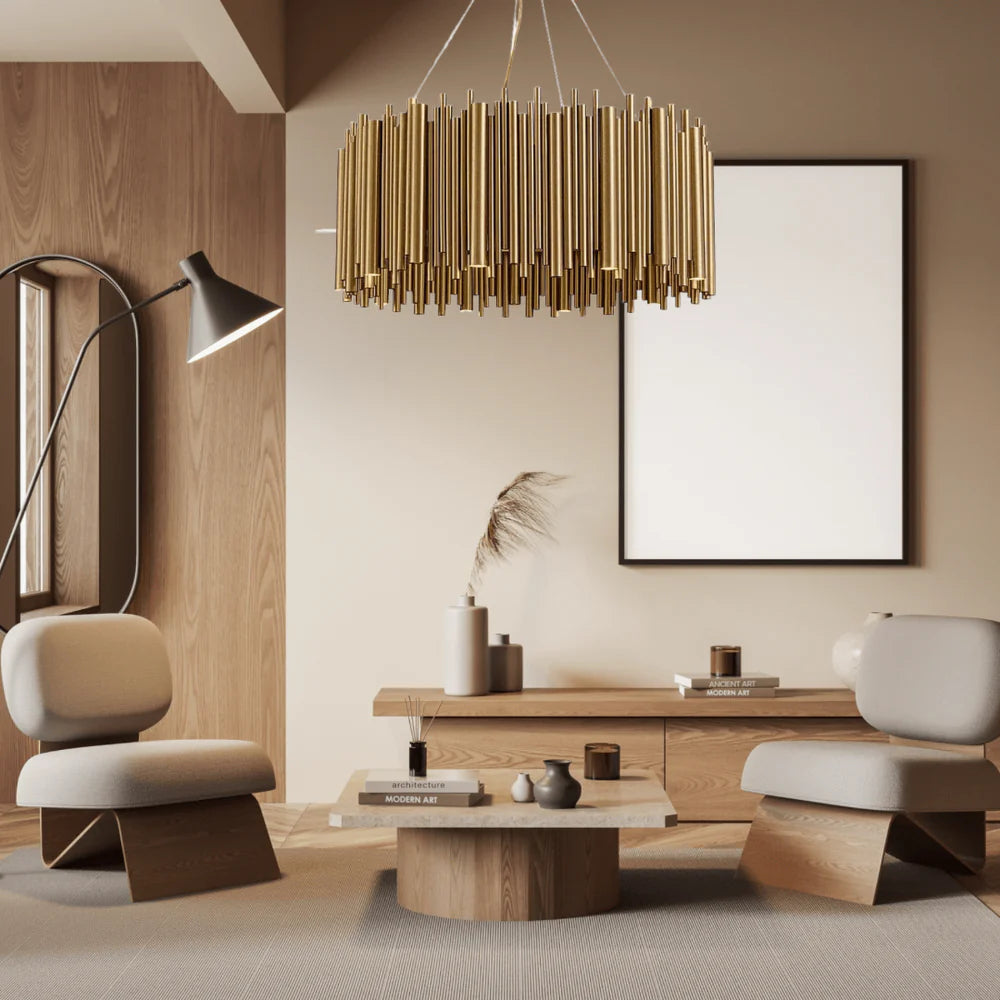
Anstey ChandelierAnstey Chandelier
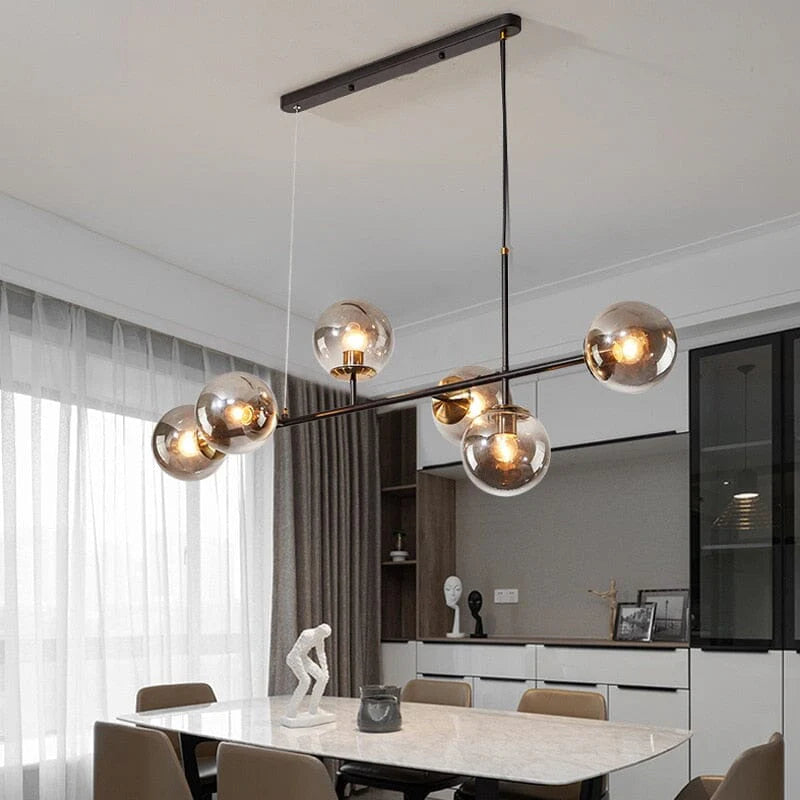
Travess Pendant LightTravess Pendant Light
Sale price$ 333.00
Xfer Glass Wall LampXfer Glass Wall Lamp

An office is one of the few rooms where lighting is a tool first and a design choice second. That doesn't mean you have to choose. The best schemes layer four types of light.

Office Ceiling & Pendant Lights

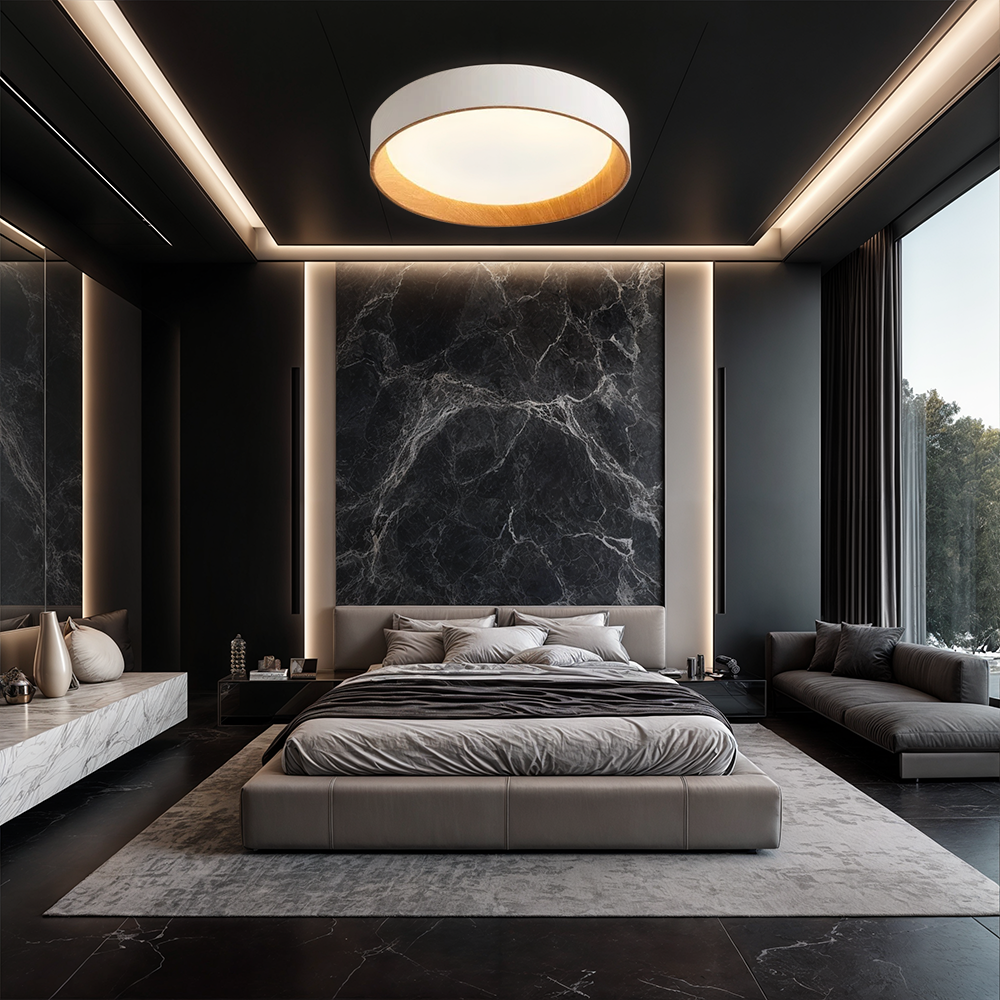
Ceiling lights and pendants form the ambient layer that most of your daily light comes from. Choose fixtures with diffused shades or downward-facing designs to avoid glare on monitors. Multiple smaller pendants along the length of a desk or over a boardroom table almost always outperform a single central fixture.

Desk & Table Lamps

Task lighting is what actually protects your eyes. A table lamp sitting at desk level delivers focused light exactly where you're reading, writing or working with materials — without lighting the whole ceiling. For screen-heavy work, position task light to the side of the monitor, not behind it.
Floor Lamps

Floor lamps fill the gap between ceiling and desk, adding a soft, indirect layer that reduces the contrast between a bright screen and a dim room. This is one of the biggest causes of eye fatigue in home offices.
Wall Lights & Sconces

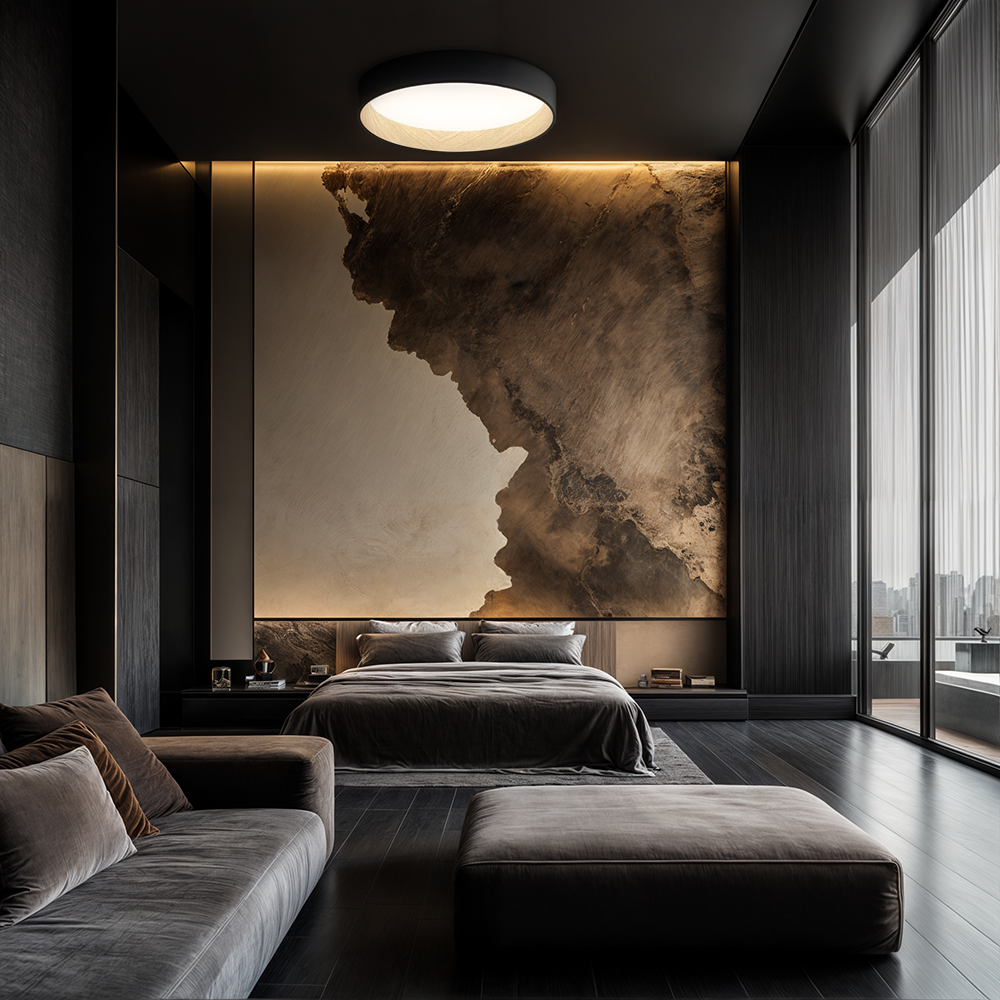
Wall lights work for meeting corners, reception walls, and rooms where you want indirect ambience rather than direct downlight. Uplights bounce warmth off the ceiling; downlights frame artwork or highlight architectural details.
How to Choose the Right Office Lighting

Brightness (lux level). General office work needs around 300–500 lux at desk height. Detailed work (reading small print, technical drawing) benefits from 500–750 lux. Reception and circulation areas can sit around 200 lux.

Colour temperature. For focused work, aim for 3500K–4000K (neutral to cool white) — this supports alertness through the workday. For meeting rooms, reception areas and executive offices where clients spend time, 2700K–3000K (warm white) feels more welcoming.

Glare control. In commercial fit-outs, look for fixtures with a Unified Glare Rating (UGR) below 19 for spaces with screen work. In residential home offices, diffused shades and indirect fixtures deliver the same comfort.

Layering. No single light should do all the work. Ambient (ceiling) + task (desk) + accent (wall or floor) is the standard scheme — and it's the one that keeps your eyes fresh through an eight-hour day.

Dimming. Wherever budget and wiring allow, add dimmable fixtures. The light you want at 9am is not the light you want on a 6pm client call.

Materials & Design

Office lighting doesn't have to feel like an office. Every fixture in this collection is chosen for how it handles light and how it looks switched off. Alabaster and marble bring warmth and natural texture to what can otherwise feel like a strictly functional space. Brass and antique finishes anchor traditional and transitional interiors — well suited to law firms, private offices and consultancies. Sculptural glass and crystal work in modern executive spaces where the lighting itself becomes part of the brand.

If you're specifying for a commercial project or a scaled home-office build, our bespoke service can adapt size, drop, finish and wiring to match your specification and your country's electrical standards.

Frequently Asked Questions

What is the best type of lighting for an office?

A layered scheme: ambient ceiling light for overall visibility, task light at the desk to protect your eyes, and accent lighting to soften contrast against screens. No single fixture handles all three roles well.

What colour temperature is best for office lighting?


3500K–4000K (neutral to cool white) supports focus and alertness for work. For meeting rooms and reception areas, 2700K–3000K (warm white) feels more welcoming.

How bright should office lighting be?


Around 300–500 lux at desk height for general work, rising to 500–750 lux for detailed tasks. Reception and circulation areas can sit lower, around 200 lux.

Do you offer office lighting for commercial projects?

Yes. Our Trade Programme supports interior designers, architects and commercial fit-out teams with account pricing and project management. Fixtures can be scaled and specified for the electrical standards of your project country.

Can office lights be dimmable?


Most fixtures in this collection can be paired with a compatible dimmer switch. Dimming is worth specifying at the design stage it transforms how flexible a workspace feels across the day.